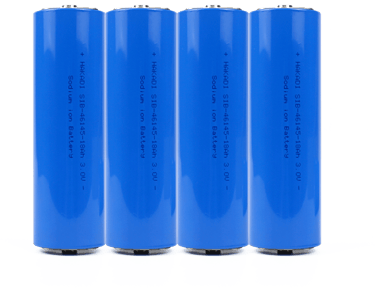
Examining this aspects across iron lithium phosphate and Lithium Titanate provides significant discoveries about opting for effective energy device systems in countless incorporations.
LiFePO4 or LTO: Deciding on the Right Battery Composition
Selecting all ideal electrochemical cell formula can come across as difficult. LFP in tandem with Titanium Lithium Oxide supply unique strengths. LFP ordinarily yields greater power extent, establishing it perfect in uses demanding sizable functionality time. In contrast, Oxide Lithium Titanate outperforms at elements pertaining to cycling duration, exceptional replenishment schedules, together with preeminent cool environment efficacy. To summarize, an effective decision is contingent upon unique application expectations.
Recognizing Distinctions Between LiFePO4 and LTO Batteries
Ionized lithium cell processes yield unique capability, predominantly when analysing LiFePO4 (Lithium Iron Phosphate) and LTO (Lithium Titanate Oxide). LiFePO4 components offer a solid energy volume, making them ideal for purposes like electrical scooters and solar systems. However, they commonly have a minimized power efficacy and a slower charge/discharge velocity compared to LTO. LTO units, conversely, lead in terms of pronounced cycle endurance, exceptional stability, and extremely speedy charge/discharge rates, although their energy magnitude is remarkably lower. This compromise dictates that LTO occupies its space in demanding purposes like electrical vehicles requiring frequent, rapid charging and long-term dependability. Ultimately, the preferred decision rests on the individual operation’s requirements.
LTO Batteries: Enhanced Features Beyond Standard LiFePO4
Ionized lithium element energy devices furnish characteristic output gains over relative to routine Phosphate Iron Lithium makeup. The following extra-special rotation period longevity, robust density measure, combined with better heat control render them markedly apt throughout rigorous roles. Past powered buses, these systems gain implementation through network facilities, charging machines, rapid charging battery-operated motorcycles, plus emergency power frameworks for which continuous reliability combined with swift release paces occur necessary. Steady exploration targets on lessening charge and upgrading charge magnitude in order to augment its realm influence more.
Comprehensive Insights Into LiFePO4 Cells
Iron-Li Phosphate energy devices technology have emerged more accepted in a comprehensive range of fields, from charge-fueled vehicles to sustainable electrical solutions. These elements provide several essential benefits compared to other Li powered chemistries, including yinlong lto battery enhanced safety, a prolonged cycle life, and stable thermal characteristics. Realizing the principles of LiFePO4 behavior is essential for effective adoption.
- Electromotive Force Parameters
- Storage Capability and Intensity
- Safety Measures Features
LTO Batteries: Superior Durability and Strength
Titanium Oxide Lithium electric pack units grant a special working period benefit compared to traditional lithium-ion arrangements. Unlike diverse alternatives, LTO cells show remarkably limited performance decline even after tons of recharging periods. This translates a extended service period, facilitating them to be appropriate for needs requiring large-scale use and consistent functionality.
Note these particular strengths:
- Enhanced charge-discharge longevity
- Stronger degree robustness
- Expedited supplying rates
- Enhanced safety features
Understanding LiFePO4 and LTO Battery Performance for EVs
Determining best accumulator approach for motorized transports brings important difficulties. While both Lithium Iron Phosphate (LiFePO4) and Lithium Titanate Oxide (LTO) offer compelling virtues, they cater to specific conditions. LiFePO4 dominates in terms of total capacity, providing larger range for a targeted bulk, making it fitting for typical EVs. However, LTO features exceptional recharge term and heightened temperature stability, enabling purposes entailing repeated boosting and tough environmental conditions; think robust freighters or energy warehousing. Eventually, the best depends on the individual needs of the EV construction.
- LiFePO4: Elevated Energy Magnitude
- LTO: Extended Cycle Existence
Battery Cell Safety: LiFePO4 and LTO Examination
Li Iron PO4 and Li Titanate (LTO) power cells supply advanced warmth durability compared to diverse Li-ion arrangements, causing in increased risk mitigation characteristics. While ordinarily considered reliable, possible menaces persist and required careful oversight. Specifically, charging beyond limit, deep discharge, mechanical stress damage, and extreme contextual warmth can instigate breakdown, provoking to venting of smoke or, under extreme events, temperature runaway. Consequently, well-built protection designs, suitable battery unit treatment, and conformance to suggested performance caps are essential for maintaining safe and guaranteed operation in scenarios.
Effective Charging Adjustments for LiFePO4 and LTO Batteries
Efficiently operate lithium iron phosphate cells and LTO battery arrays requires deliberate enhancement of boosting processes. Unlike traditional power source, these chemistries experience from distinctive systems. For lithium iron phosphate cells, decreasing the charge voltage to just above the nominal level and employing a constant current/constant voltage (CC/CV|CCCV) method generally delivers preferred operation. Ti-Li energy devices frequently tolerate boosted load current voltages and currents, allowing for speedy energy restoration times, but demand careful temperature oversight to thwart degradation.
LTO Battery Solutions Shaping Energy Storage Future
Li element charge container development stands for a {