Starting
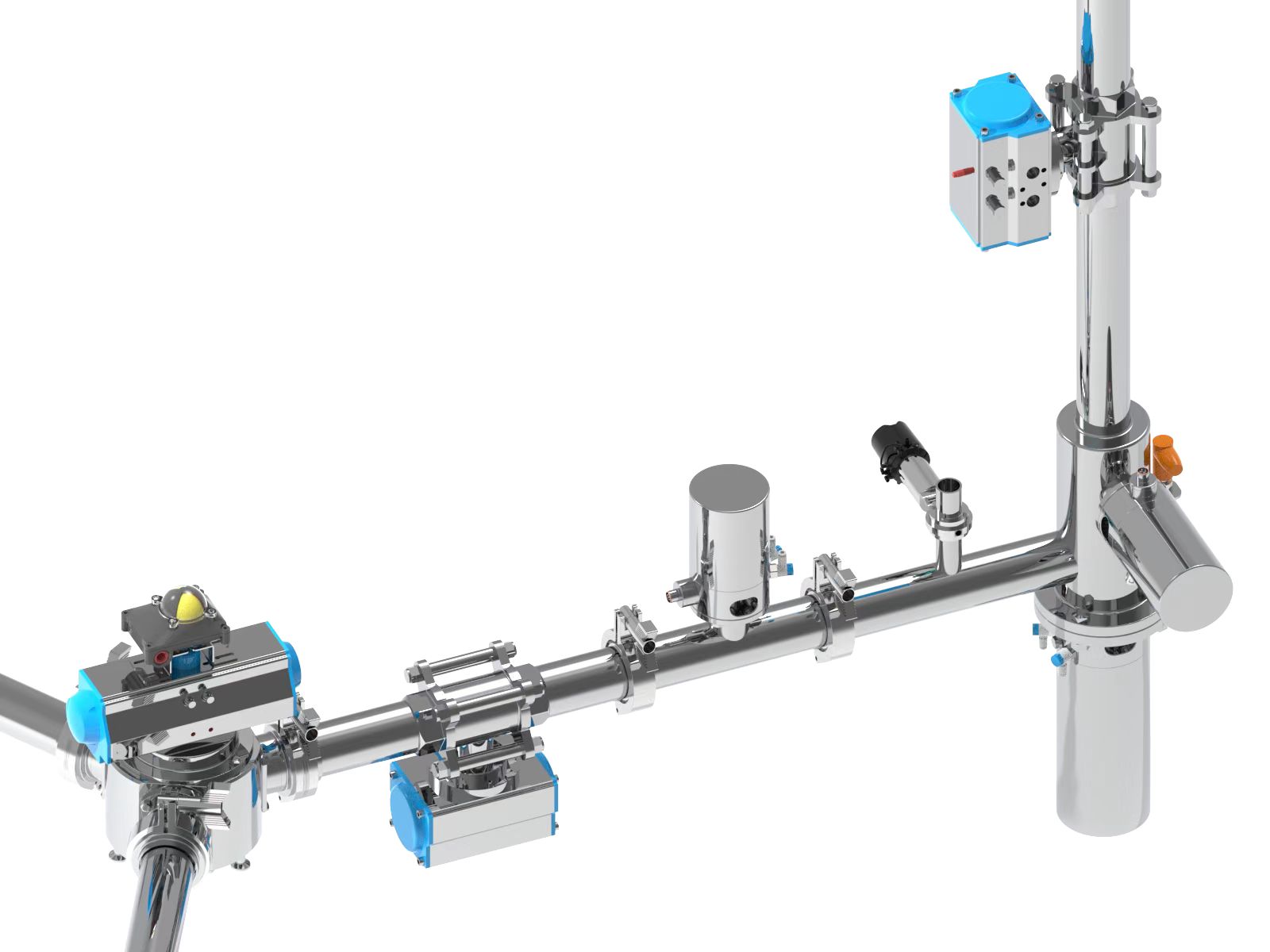
Automated pipeline cleaning mechanisms extend a remarkable improvement over manual modes for sustaining the integrity of ducts. These innovative solutions optimize the procedure of guiding a "pig" – a tailored device – through the duct to clean off deposits like debris, erosion, and impediments. By reducing downtime and upgrading production capacity, automatic pigging systems stand for a crucial expenditure for enterprises relying on pipe transportation of media.
Clean Rinsing : Maintaining Channel Purity in Edible Sector
Guarding impeccable hygiene within culinary formulation facilities is critical, particularly when it comes to channels used for moving mixtures. Spotless rinsing offers a powerful solution. This tailored technique involves inserting a unit – often a cylindrical device – into the channel to remove residue, including pathogens, and restore optimal sterility. Benefits include diminished chance of tainting, advanced product standard, and strengthened performance output. Elements for application include instrument material compatibility with the beverage and line structure.
- Cuts contamination potential.
- Upgrades output value.
- Expands operational output.
Flow Techniques: Boosting Efficiency and Lowering Spillage
Pipeline methods offer a important benefit in channel procedure for various industries, particularly within the petroleum and refining sectors. By propelling a “pig,” a purpose-built apparatus, through the system, buildup are washed away, enhancing speed and cutting product waste. This yields a minimized charge and a more green strategy to equipment oversight.
This Future About Pipelines: Analyzing Intelligent Pigging Systems
A future about pipeline oversight is markedly being changed by autonomous pigging techniques. Traditionally, pigging procedures have relied on operator-controlled intervention, but the deployment concerning autonomous pigs promises heightened efficiency, minimized downtime, and enhanced safety. These groundbreaking systems harness gauges, analytics, and artificial intelligence to monitor pipelines unassisted, finding defects and undertaking scraping tasks with exceptional precision. Considering widespread acceptance, automatic pigging represents a important step leading to a more sustainable pipeline array globally.
Clean Swabbing vs. Non-automated Purging
Preserving pipework condition within the beverage industry presents a important challenge. Historically, non-automated scrubbing has been the accepted method, relying on staff to hands-on dispose debris and residues. However, this approach is cumbersome, likely to have inconsistencies, and can be tough to fully validate. Clean clearing, on the other hand, offers a cutting-edge alternative. This technique utilizes a instrument propelled through the pipeline to clear deposits, providing a more efficient and regular cleaning process. Key divergences include:
- Expense: Conventional scrubbing often involves heavy labor costs, while scrubbing has introductory investment diminished overall bills.
- Output: Rinsing typically offers heightened functionality compared to operator-driven procedures.
- Verification: Confirming the rigor of flushing is clearer with pigging due to documentation capabilities.
- Welfare: Handheld purging can expose personnel to harmful conditions, whereas clearing minimizes this menace.
Integrating an Self-operating Pigging Approach: Proven Methods
Skillfully rolling out an automatic pigging solution requires comprehensive scheduling and adherence to recommended best methods. At the outset, execute a extensive study of your pipeline to ascertain the relevant difficulties requiring scrubbing. This consists of assessing the sort of scale, the site of impediments, and the total quality of the system. Subsequently, go with a pigging system appropriate for your distinctive operational demands.
In addition, highlight extensive teaching for workers taking part in the handling operation. This ought to include mentoring on cautious application of the hardware and insight of unexpected actions.
- Usually monitor the instrument and affiliated units for deterioration.
- Set up a strong servicing program.
- Record all pigging events and relevant figures.
- Analyze the influence on line flow and product excellence.
In brief, sustained surveillance and adjustment of the cleaning strategy are critical for optimizing productivity and lengthening the pipeline network’s serviceable service life.
Fixing Common Concerns in Pristine Flushing Networks
Practical execution of sanitary pigging setups often necessitates frequent fixing. Often, blockages triggered by plugging are seen, which can be dealt with through meticulous inspection using appropriate gear. In addition, pressure drops signal faulty pigging cups or interior degradation. Intermittent repair, including pig disposal and physical consideration of pipe form, is crucial to minimize breaks and maintain top effectiveness.
Electromechanical Inspection Frameworks for Industrial Ducts
Robotic scrubbing offers substantial benefits for operational pipework, significantly improving operational functionality. This process provides a number of benefits, including reduced closures, minimized repair fees, and improved output consistency.
- Cut pressure reduction leading to capacity conservation.
- Enhanced duct strength, avoiding wear.
- Improved performance by clearing deposits.
- Elevated risk mitigation for workers and the habitat.
Reduced Expenses with Sanitized and Automated Clearing Systems
Implementing hygienic and automatic pigging system motorized cleaning technologies offers substantial price cuts for tube operators. These innovative technologies minimize item loss due to attached residues, significantly lessening waste. Beyond material recovery, cleaning solutions curtail the frequency of regular line shutdowns for overhaul, translating to boosted running time. Furthermore, the limited need for manual labor and additive consumption further enhances the overall profitability of your business.
- Decreased Commodity Loss
- Enhanced Process Throughput
- Minimized Human Intervention Requirements