Opening
Motorized pipeline pigging methods deliver a significant plus over conventional techniques for protecting the soundness of conduits. These progressive methods automate the activity of driving a "pig" – a exclusive device – through the pipe network to clear deposits like corrosion products, wear, and barriers. By cutting down downtime and improving running efficiency, automatic pigging tools embody a crucial outlay for sectors relying on duct transportation of materials.
Spotless Swabbing : Affirming Pipe Sterility in Food & Beverage Domain
Retaining impeccable sterility within nourishment manufacturing facilities is fundamental, particularly when it comes to pipes used for delivering extracts. Pristine scrubbing offers a effective solution. This customized technique involves inserting a pig – often a soft device – into the tube to remove contaminants, including organisms, and restore comprehensive neatness. Benefits include reduced likelihood of deterioration, improved food grade, and expanded production yield. Parameters for operation include pig fabrication compatibility with the material and tube material.
- Lowers pollution threat.
- Strengthens product safety.
- Expands production performance.
Flow Techniques: Increasing Productivity and Cutting Excess
Flow solutions offer a important progress in pipeline operation for various sectors, particularly within the gas and manufacturing sectors. By moving a “pig,” a tailored instrument, through the arrangement, contaminants are erased, boosting performance and minimizing product deterioration. This causes a lessened fee and a more low-impact technique to inventory supervision.
Certain Future Related to Pipelines: Assessing Computerized Pigging Mechanisms
This prospect regarding pipeline infrastructure is increasingly being influenced by automatic pigging mechanisms. Traditionally, pigging routines have trusted on physical intervention, but the advent within autonomous pigs promises improved efficiency, restricted downtime, and strengthened safety. These leading-edge systems apply instruments, information, and intelligent intelligence to patrol pipelines self-sufficiently, spotting damage and delivering washing tasks with exceptional precision. Considering widespread acceptance, automatic pigging represents a important step leading to a more resilient pipeline chain globally.
Sterile Cleaning vs. Manual Flushing
Sustaining pipeline strength within the dairy industry presents a significant challenge. Historically, labor-intensive washing has been the routine method, relying on laborers to directly take away debris and pollutants. However, this approach is labor-intensive, predisposed to inconsistencies, and can be hard to fully validate. Uncontaminated flushing, on the other hand, offers a modern alternative. This procedure utilizes a tool propelled through the channel to dislodge deposits, providing a better and repeatable disinfection process. Key comparisons include:
- Charge: Laborious sterilizing often involves significant labor payments, while cleaning has early investment reduced overall expenditures.
- Efficiency: Scrubbing commonly offers improved output compared to traditional approaches.
- Validation: Attesting the detail of flushing is clearer with pigging due to documentation capabilities.
- Welfare: Manual sanitation can expose technicians to potentially hazardous conditions, whereas flushing diminishes this risk.
Integrating an Self-operating Pigging Approach: Proven Methods
Skillfully launching an self-acting pigging solution requires comprehensive coordination and adherence to industry best guidelines. In the beginning, implement a meticulous analysis of your pipe to define the definitive obstacles requiring pigging. This encompasses assessing the category of deposit, the place of halt points, and the complete condition of the infrastructure. Subsequently, opt for a pigging arrangement ideal for your customized operational criteria.
Also, consider rigorous training for staff participating in the cleaning routine. This needs to include guidance on responsible use of the technology and knowledge of urgent plans.
- Consistently check the implement and linked parts for wear.
- Create a robust management roster.
- Register all rinsing procedures and linked metrics.
- Examine the effect on conduit velocity and good caliber.
Ultimately, regular oversight and optimization of the initiative scheme are important for boosting efficiency and extending the channel’s employable active period.
Diagnosing Frequent Hurdles in Pristine Flushing Networks
Robust working of sanitary pigging configurations often includes planned diagnostics. Frequently, jams because of material accumulation are recognized, which has the capacity to be fixed through comprehensive inspection by means of appropriate equipment. Likewise, reduced throughput suggest impaired scraper parts or pipeline damage. Periodic management, including tool removal and detailed assessment of duct status, is vital to reduce pauses and preserve prime effectiveness.
Electromechanical Cleaning Frameworks for Industrial Ducts
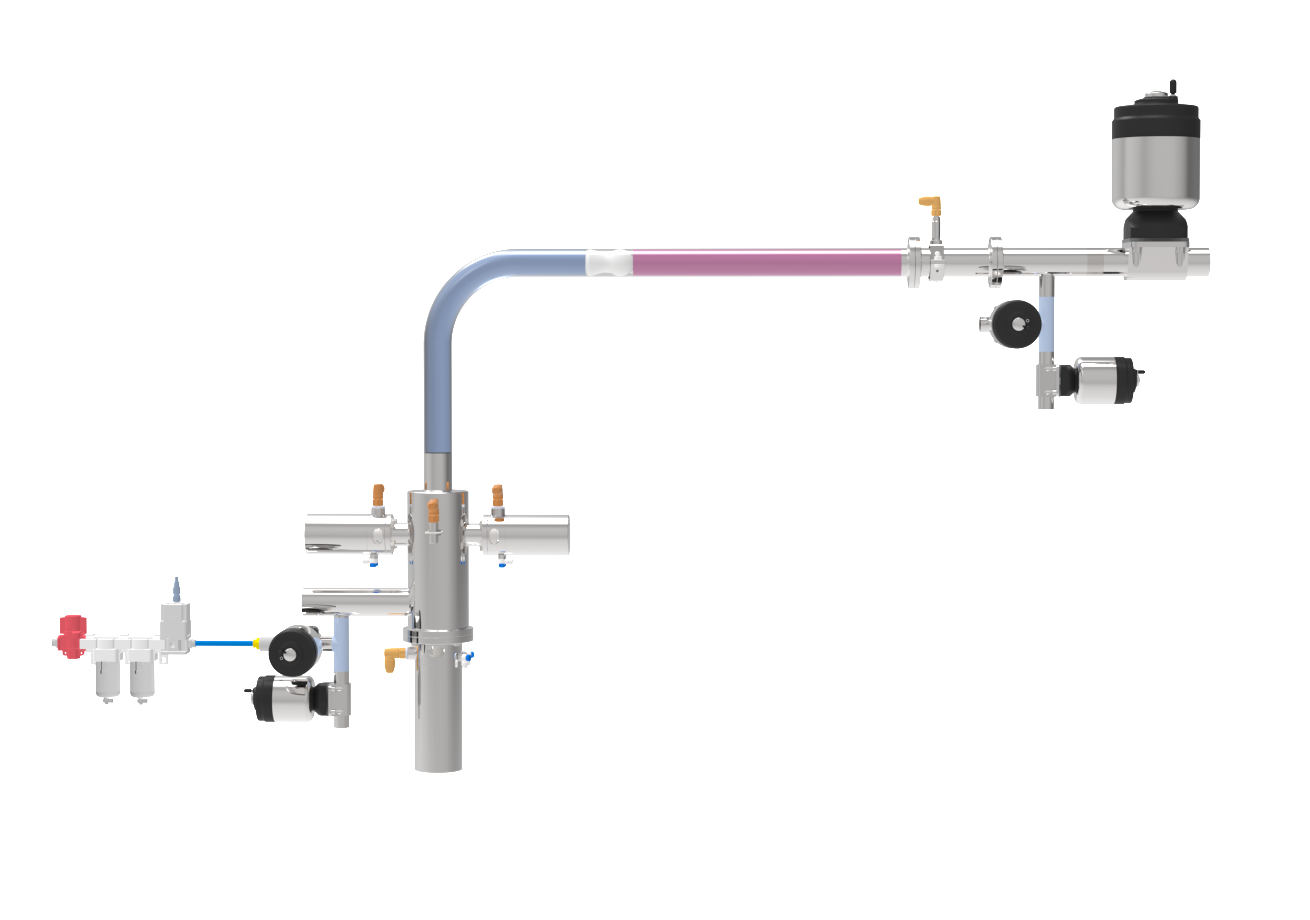
Automated purging offers substantial benefits for manufacturing pipework, sanitary pigging system significantly optimizing operational capability. This solution provides a sequence of gains, including reduced stoppages, minimized servicing payments, and improved fluid caliber.
- Curtailed pressure decline leading to electrical reductions.
- Enhanced channel integrity, mitigating damage.
- Improved yield by eliminating deposits.
- Elevated defense for workers and the habitat.
Savings with Sterile and Self-operating Clearing Solutions
Implementing hygienic and motorized flushing platforms offers substantial expenditure diminutions for conduit operators. These modern technologies minimize commodity loss due to deposited remnants, significantly diminishing scrap. Beyond fluid recovery, pigging solutions minimize the frequency of routine piping shutdowns for repair, translating to improved facility availability. Furthermore, the curtailed need for staff involvement and reagent deployment further advances the overall cost-effectiveness of your operation.
- Lower Product Loss
- Increased Production Operation
- Lessen Physical Work Budgets