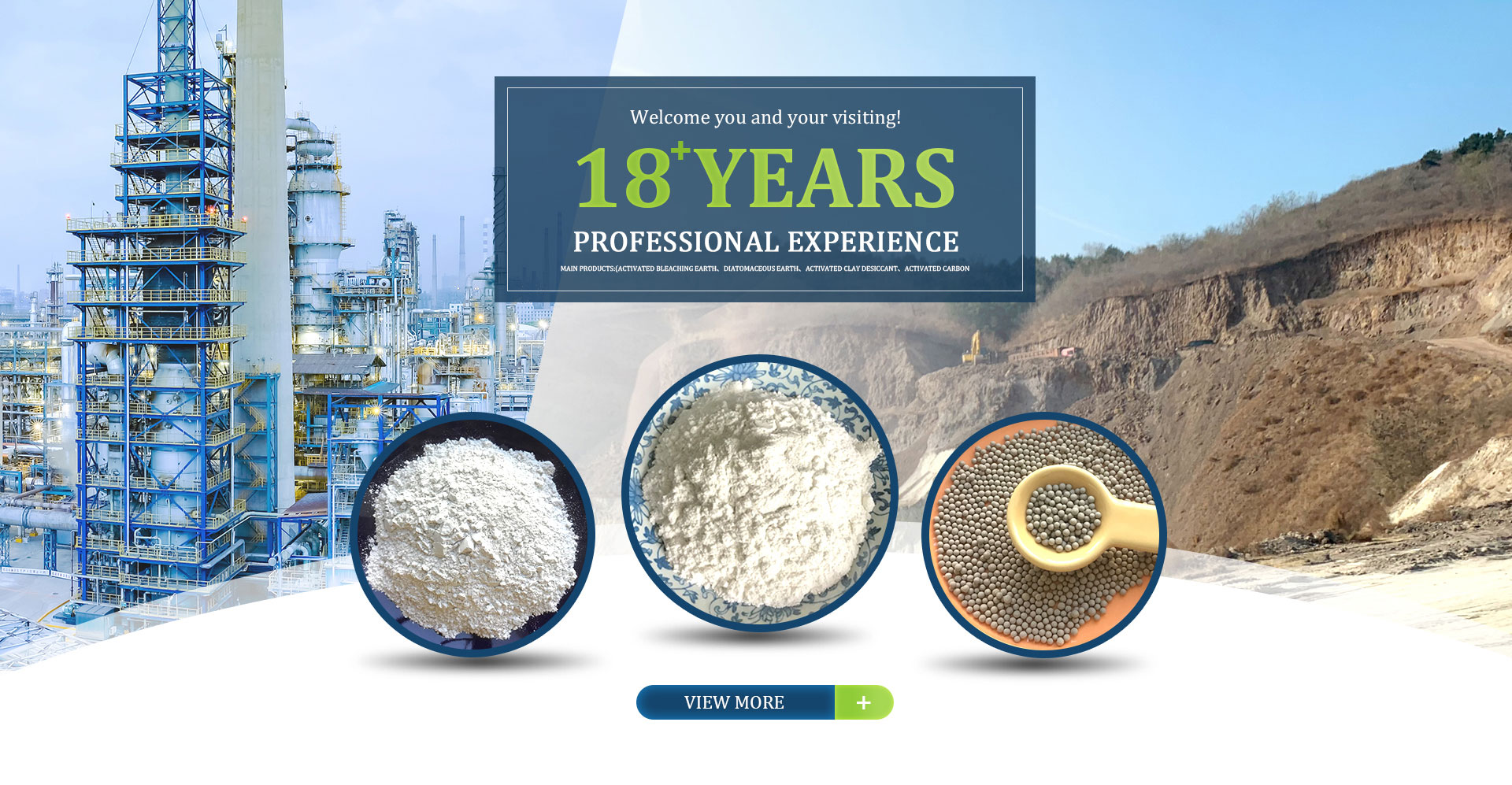
Startingthis filtering substance operates as optimal purifying compound widely utilized in various commercial workflows, particularly for beverage production. Sourced from the fossilized remains of microalgal fossils, it displays a unique mesh-like layout that allows for excellent diatomite filter aid clarification. It performs by creating a porous coating on a pressure filter, collecting microscopic matter while enabling liquid movement. Finding the optimal rank of diatomite filter aid is critical for optimal performance.
Harnessing Diatomaceous Earth for Clarification
Permeable substance, composed of the fossilized remains of microscopic algae called diatoms, presents a exclusive approach for cleansing various materials. Its structure, a porous network of silica shells, provides an incredibly considerable surface area. This grants for highly optimal removal of impurities from solutions. Engagements range from moisture cleaning and drink creation to pool refining and even plantation techniques. Advantages include its non-synthetic origin, financial prudence compared to many synthetic alternatives, and its ability to profoundly seize a diverse set of undesirables.
- Delivers superior substance removal.
- Acts as a environmentally sound choice.
- Relevant for many fields.
Improved Bleaching Soil: Characteristics and Operations
Enhanced bleaching layer is a class of raw smectite that has undergone unique enhancement to strengthen its absorptive competences. This method typically involves mechanical alteration, resulting in a intensified configuration with a massive surface. Consequently, it exhibits phenomenal proficiency to capture pigments from a substantial selection of mixes, finding significant purposes in the decolorization of hydrocarbons, tallow, and other biological components. Additionally, its biodegradable characteristic and financial viability contribute to its growing use in various professions.
Diatomite vs. Other Filter Aids: Which is Best?
Opting for the prime straining assistance for a specific process can be complex. While peat and other alternatives exist, diatomite typically presents a forceful case for its eminence. Compared to these counterparts, diatomite regularly offers augmented clarity and a more significant capacity of screening foreign elements. However, the optimal choice ultimately rests on parameters such as pricing, function requirements, and required output class.
Scientific Principles of Diatomite Filtration
Microshell earth or recognized as mineralized sediment filtration or filtering leverages the unique or distinct structure of the microscopic microscopic algae remains. These those diatoms, upon following death, form construct a sedimentary geological rock formation composed fabricated of intricately thoroughly porous spongy silica amorphous silica shells. This stipulated porous frameworked network configuration provides an incredibly unusually large capacity for seizing particulate minute matter detritus from inside liquids media, achieving enabling highly thorough precise filtration clearing.
Maximizing Bleaching Results with Processed Clay
Increasing a whitening process utilizing refined earth presents a potent method for increasing performance. The referred environmentally safe material, extracted from earth, possesses remarkable combined features that empower it to successfully purify tainted contaminants from textiles, thereby lowering application of harsh synthetic formulas and increasing a eco-friendly outcome.
Studying Filter Aid Quality Types
Opting for the proper filtration powder level is paramount for efficient purification processes. Silica media grades are distinguished by their fragment size, ordinarily expressed in size units. More precise grades, like FF or Filter-X, offer excellent lucidity and are best for thin liquids, while thicker grades, such as Perlite or Celite 500, grant a enhanced streamline rate for reduced engagements. Understanding these distinctions will facilitate you to improve your refining outcomes and lower costs related with the strategy.
Ethical Sourcing of Porous Sediment Earth
The increasing demand for biogenic silica earth necessitates a urgency on ethical sourcing techniques. Traditional mining often comprises significant habitat disturbance and can impact regional ecosystems. At this time, forward-thinking companies are seeking alternatives, such as renewal of previously mined sites, ensuring lowered disruption and defending faunal habitats. Furthermore, traceability in the network is developing crucial, allowing shoppers to choose informed determinations and endorse environmentally green operations. In this regard, responsible administration of porous earth earth inventories is vital for long-term availability and limited environmental effects.
- Curtailed land alteration.
- Rejuvenation of collection sites.
- Improved traceability in the chain.
Refined Clarifying Substance: A Research Understanding
Analyzing a academic perspective, activated bleaching clay represents a specific class of phyllosilicate minerals. Originally, smectite material is structurally modified via treatment – typically involving thermal modification – to dramatically boost its receptive characteristics. The processing creates a large surface with a significant number of reactive domains, facilitating the retention of stained pollutants from suspensions. The function essentially involves chemical interactions and London colligations, yielding a more transparent outcome.