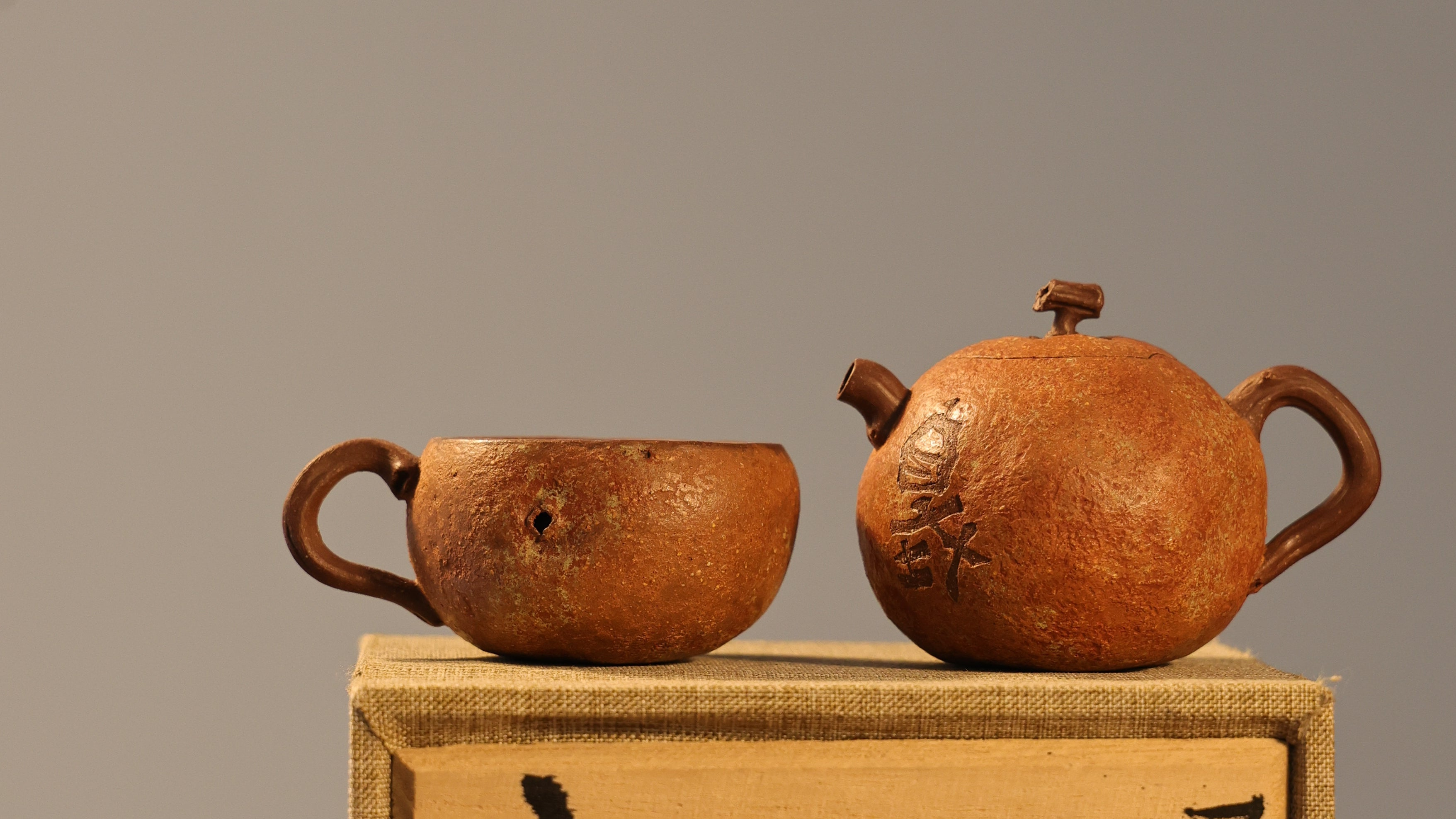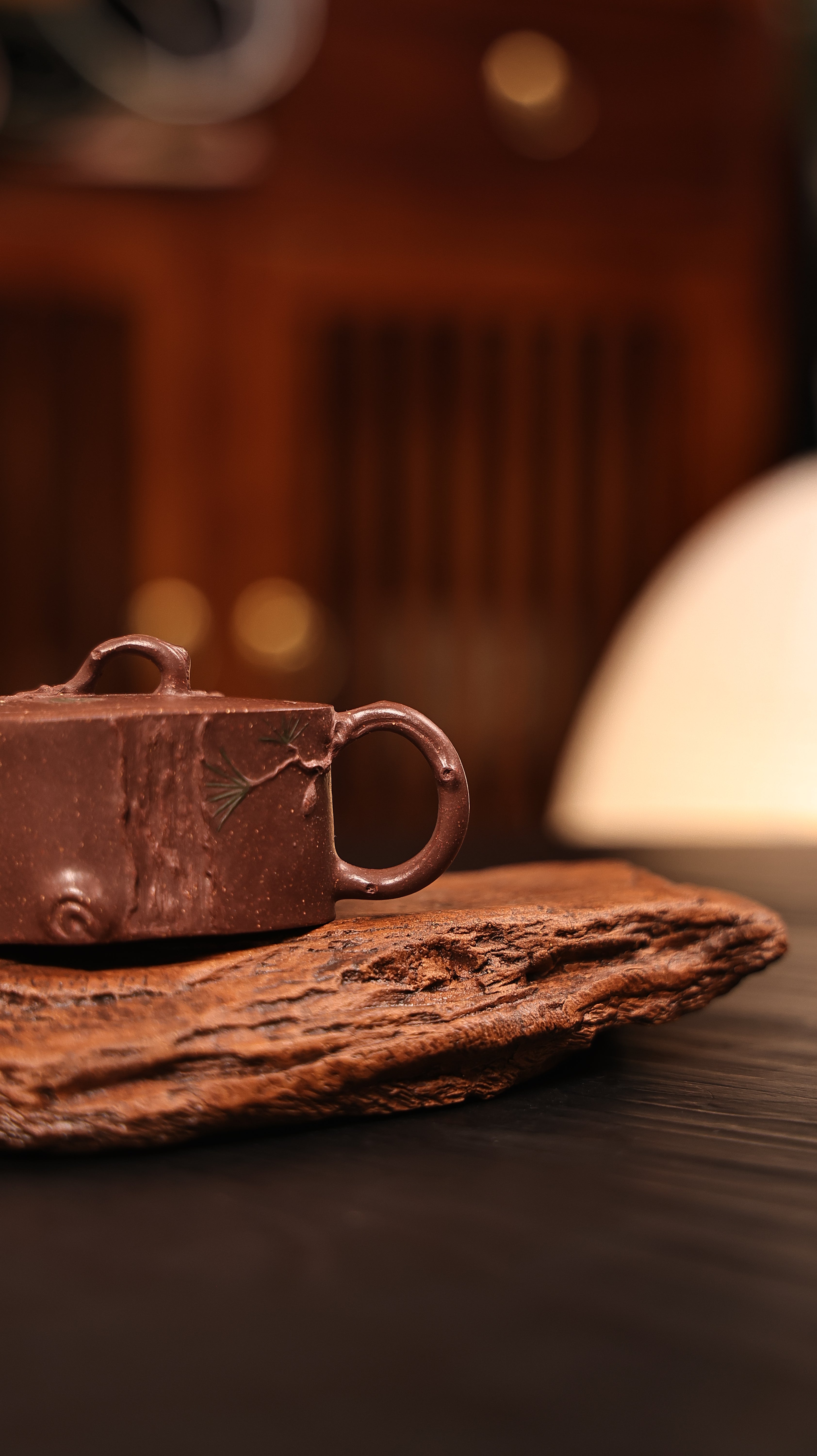
Launching my in-depth inspection regarding Yihsing Tz'u Sha clay vessels showcases this intriguing blend involving mastery in conjunction with utility.
Eysing Zi Sha brewing containers carry special incomparable allure relating to aficionados worldwide. Those fascinating earthen vessels, native from the original Yihsing location close to Jiangsu locale, China, function as more than just tea utensils; they stand as works art beauty and rich significance. This finely screened clay, known recognized as Zisha, imparts a gentle flavor through the tea, and the fancy designs, often exemplifying traditional Chinese symbols, add to their core value. Attaining a genuine Yixing Zisha teapot is a enjoyable journey, demanding careful investigation and an cognizance of the several factors influencing their rarity.
Exploring Yixing Ceramic Containers
Ihsing pottery vessels boast a colorful legacy deeply interwoven with Chinese legacy. Originating in Yixing, Jiangsu province, these jugs are crafted from a unique, porous purple mineral found only in that exclusive location. Their origins began during the Ming age, with master sculptors refining the skills over generations. Multiple types prevail, including the classic Hexiang (resembling crab shells), Zhuni (red-brown hue), and Duan Ni (stone-studded) – each with distinctive qualities. The cost of an Yixing ceramic vessel isn't solely based on its size or trim, but also on the artist’s reputation, the soil's quality, and the teapot's age and condition. Devotees often seek out older examples, believing they impart the bouquet of Purple Clay Teapot the brew brewed within them over time, further adding to their reputation.- Antique Tea Containers
- Zhuni Brewing Vessels
- Rock-Decorated Brewing Vessels
Zisha Teapot Mastery: Handiwork & Styles
Unique production of Zisha teapots represents a height of Chinese ceramic mastery. Master artisans employ classic techniques, often passed down through lineages, to unlock the full beauty of this unique clay. Procedures involve meticulous designing by hand, often combined with the wrapping method, followed by precise heating at incredibly intense temperatures in wood-fired kilns. Illustrating is equally crucial; producers utilize inherent clay colors and may incorporate modeling work to depict intricate scenes or patterns, demonstrating a profound knowledge of the material’s properties and vitality. The completed teapot isn't merely a vessel for tea, but a testament to a profound cultural history.
Chinese Brewing Pots: Unique Introduction to Ihsing Tzu Sha
Unveiling the world of Ancient teapots sometimes leads with Yixing Zisha. These uncommon clay pottery vessels are made from a unique type of clay mined only in the Yixing region of the Jiangsu locale province. Celebrated for its exclusive reddish-purple hue and high-quality properties, Zisha clay conveys a light flavor to the infusion and progresses with age, turning into a cherished gem. Curating Yixing Zisha ceramics is more than just possessing a beautiful object; it’s a commemoration of custom and mastery.
Delving into that Stoneware: Authentic Quality & Progression
Delving into the market of Yixing Zisha earthenware can be remarkably lucrative, but necessitates a thorough cognition. Genuine Nature is critical; numerous fakes are found, commonly ingeniously constructed. Familiarizing oneself about historical baking processes, exclusive substance particulars, and the stamps of esteemed fabricators is entirely imperative. Over and above, perceiving the finer distinctions of the progression pattern – influenced by aspects such as cultural significance and the form of the artifact – is important to successful collection.
- Researching tempering lineage.
- Requesting specialists for confirmation.
- Comprehending auction variations.
That Skill of Preparing with a Stoneware Pot
Unique special allure of a Zisha teaware lies not just in its attractive appearance, but also in its important impact on the essence of the elixir. These classical clay vessels, sourced from singular regions of China, possess a organic porosity that quietly interacts with the drink and leaves, imbuing the infusion with a soft character. Mastering the method requires a steadfast approach, understanding how the soil responds to varying heat levels and plant types, ultimately leading to a actually rewarding tea-drinking ritual.
Yixing Teapot Care: Preserving Individual's Relic
Proper management of your Yixing urn is necessary to retaining its lifespan. These exceptional teapots, crafted from rare Yixing clay, accumulate a patina over decades that increases their worth. Consistently rinse the body with pure water, avoiding soapsuds, and never use harsh scrubbing tools. Intermittent gentle drying with a silky cloth can facilitate in removing spots. Allow your vessel to entirely dry subsequent to each infusion
Demystifying Stoneware: How These Ceramic Pots Symbolize Exceptional
The distinguished appeal of Yixing teapots originates in the unique properties of Purple clay, harvested solely near Yixing, China. This extraordinary clay, known as ferruginous mineral , exhibits a distinctive combination of particles that, across the years, imbibe the aroma of the tisanes it incubates. This yields a singular fragrance for each brew container, delivering it a price far exceeding its primary price and leading to their esteemed status among devotees.
Discovering the Optimal Classic Clayware: A Pottery Explanation
Venturing into the world of Purple clay teapots can feel overwhelming, but understanding the foundations is imperative to identifying a beloved piece. This category of clay, sourced essentially from the Yixing vicinity, Jiangsu territory, is known for its peculiar porosity and ability to enhance the bouquet of the elixir over period. Ponder the shape, the hue, and the look and feel; a authentic Zisha teapot is more than just a container; it's a beautiful creation and a symbol of Chinese culture. Look for the symbol of the creator for clues to its source and potential price.