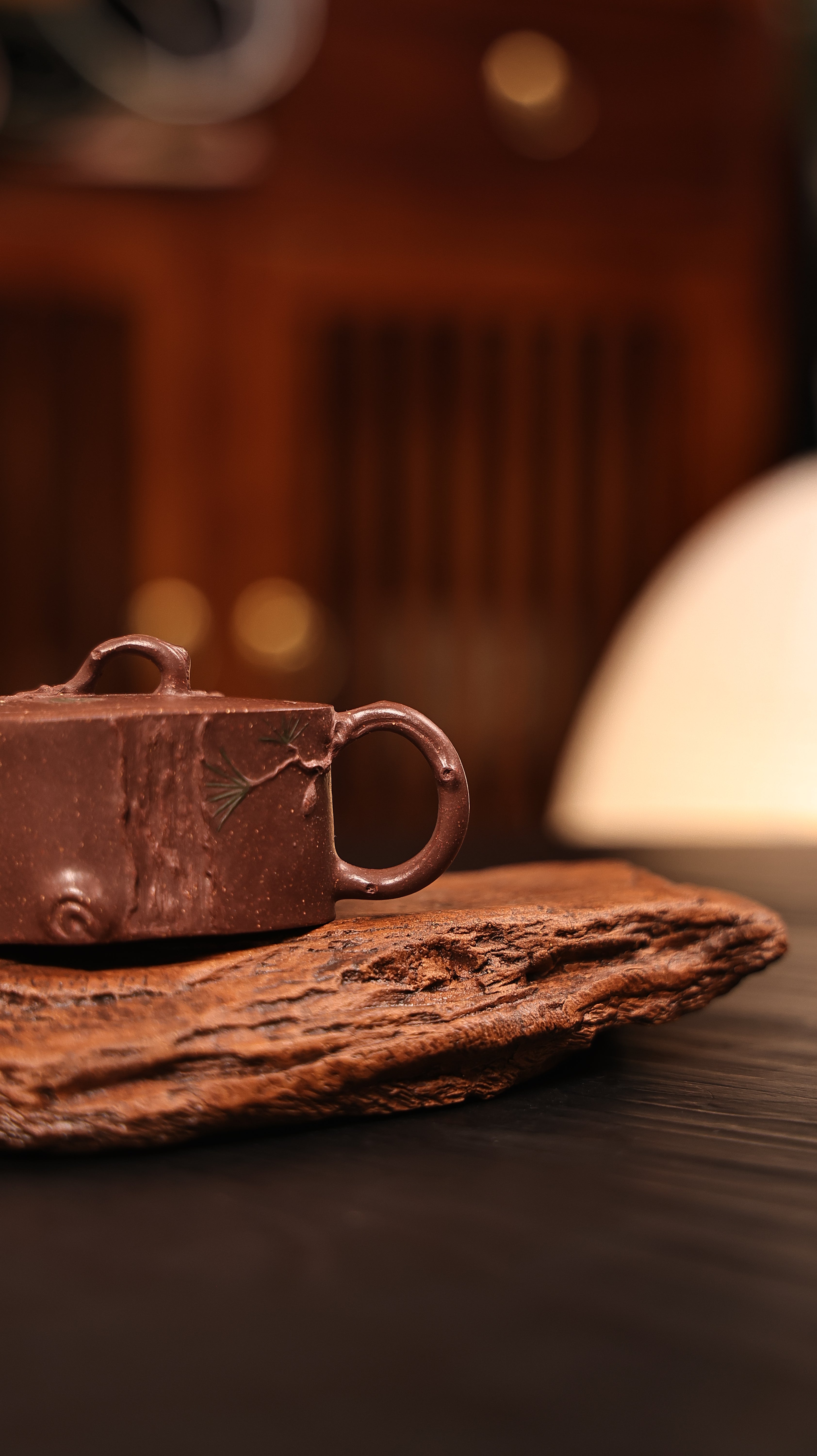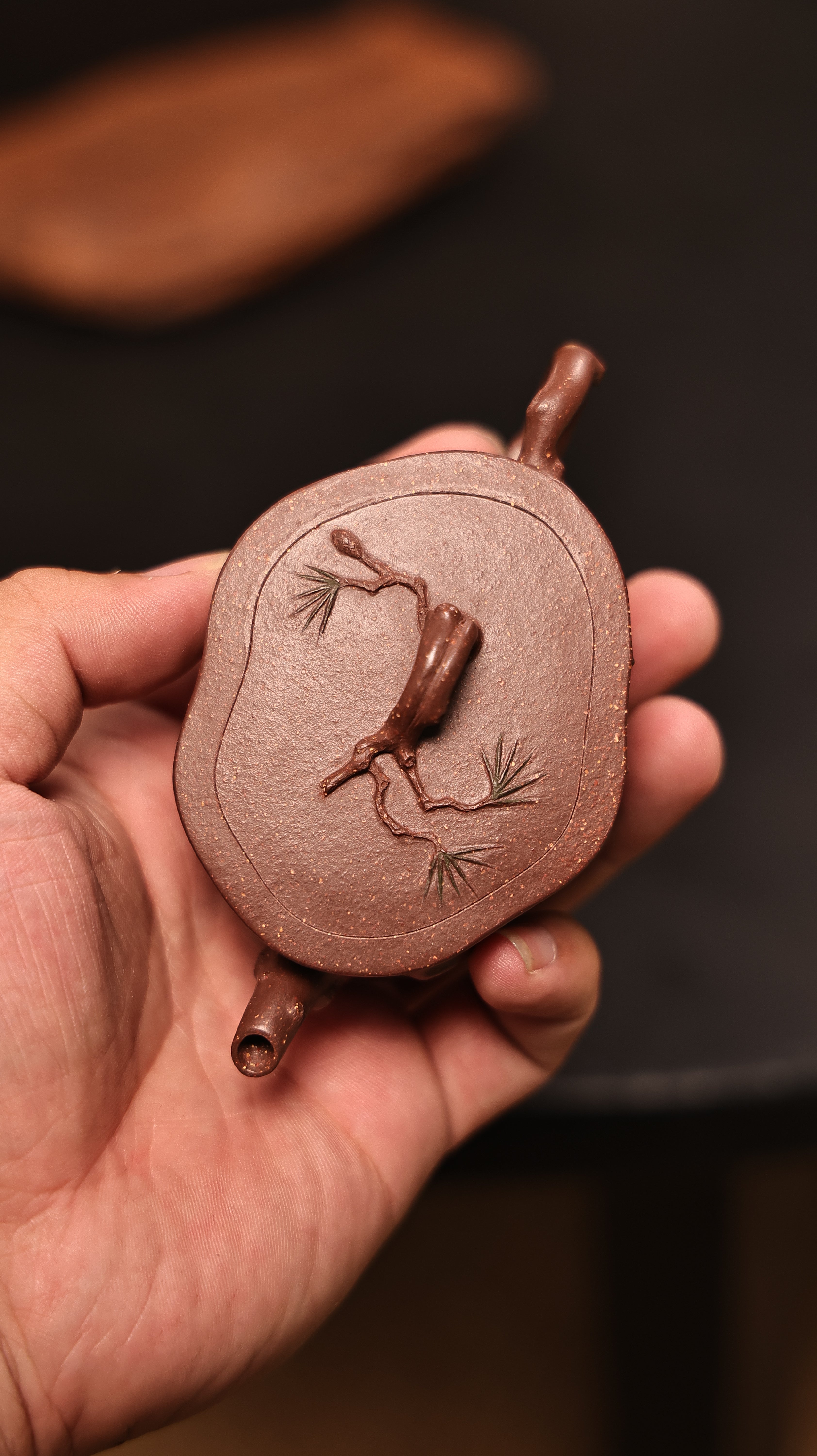
Perpetual lineage expresses Yixing teapots through ages,
Demonstrating original attributes gathered amidst provincial amethyst elements, the pitchers yield a film after handling, strengthening essence liberated from prepared drinks.
Discovering Yixing Material: Detailed Insights into Zisha
Many enthusiasts acknowledge the singular quality of Yixing amethyst clay, a keystone of heritage Chinese teaware. Emerging from the Yixing region of Jiangsu province, this notable clay shows an refined mineral constitution, what delivers incredible qualities to the crafted wares. Forms within Zisha, including Bing Mud, Duan Ni Mud, and Jiang Xi Mud, each displays specific tones, feels, and firing traits, determining the diffusibility and the terminal aroma evolution of the concoction.
Asiatic Pottery Cultures: Understanding Skill
Celestial teapots embody above mere holders for concoction; they signify centuries of traditional mastery. From the distinguished Yixing clay variations, respected for their absorbent nature which gives unmatched flavors to the extract, to the elegant porcelain from Jingdezhen, each piece reveals a chronicle of passion. The production process is an meticulous operation, often conveyed through bloodlines of specialists. These experts use historic methods such as hand-building, sculpting on wheels, and decorating, demonstrating profound reverence for the matter and the art itself. Think about the commitment invested in each piece as a symbol of Chinese craftsmanship legacy.
- Zisha jugs: a timeless pick.
- Delicate ceramics teapots: recognized for their delicate design.
- Shaping techniques: a demanding yet beneficial procedure.
Chinese Zisha Container Handling: Maintaining Your Beloved Piece
Proper preservation of your esteemed Yixing Zisha teapot is important to prolonging its beauty. Crafted from renowned purple sand soil, these exceptional teapots build a warm patina after utilization, substantially boosting their allure. Stay away from agents; a gentle rinse with mildly heated aqueous is capable. Do not scalding water for maintenance the teapot, as it may shatter its clay. Allow it to fully dry away from bright natural light. Consider seasoning your teapot regularly using top-quality tea, especially fermented varieties. Here is a brief instruction:
- Wash over with softly heated liquid.
- Do not use chemical agents.
- Grant it to lose dampness.
- Familiarize with select tea.
Beginnings of Yixing Teapots: From Simple Starts
The tale of Yixing teapots starts simply during the Song dynasty, about the 16th era. Initially, these pots were not the treasured artifacts they are acknowledged nowadays. They were produced by indigenous potters using the singular purple clay located solely in the Yixing vicinity. These early items were chiefly utilitarian, meant for routine application and often basic in design. It was not until the Qing dynasty that they opened up to earn renown beyond mere functional goods.
Considering the Perfect Fine Pitcher: A Newcomer's Handbook
Embarking the world of Yixing teapots can be difficult, but eschew resisting! For starters, the key factor is understanding the clay. Validated Yixing clay is prized for its transparency, allowing the teapot to take in the tea's aroma over time, enhancing every developing session. Imagine the outline; traditional bulbous shapes prevail, yet individual preferences play a role. Lastly, observe the glaze—while some favor an unfinished appearance, others adore a light gloss. Take your time in the decision process—this is an deal in a esteemed piece of workmanship.
Purple Clay Kettles and Their Role on Chinese Beverage Lifestyle
Zisha jars, hailing from Yixing, China, have profoundly dictated enduring Chinese beverage culture. The Yixing clay teapots, prized for their unique complexion, consistency, and exceptional ability to impart a subtle taste to the concoction, act as more than mere utensils; they are respected works of art and symbols of prominence. The very act of preparing and serving elixir using a Zisha teapot is steeped in heritage, elevating the experience beyond simple refreshment. Successions of artisans have developed their techniques, passed down through lineages, resulting in highly appreciated pieces. Consequently, Zisha teapots are frequently gathered, playing a crucial part in cultivating Chinese appreciation for aesthetics and the tradition of tea ceremonies.
- Signature Clay Composition
- Conveying Subtle Flavor
- Beautiful Craftsmanship
Recognizing Certified Special Native Jars
Obtaining a certified Yixing teapot can be a pleasurable experience, but the field is often swamped with counterfeits. Detecting between a legitimate antique and a up-to-date reproduction requires exacting inspection. Key signs include the clay's auburn shade, often displaying tiger skin marks, and the shortage of modern firing imprints. The contour should reveal natural elegance, reflecting the traditional Yixing approach. Finally, checking the potter's seal is fundamental Yixing Teapot to verify certainty against known archives.
- Assess the clay's surface.
- Look for flaws, indicative of artisan quality.
- Request an consultant for confirmation.
Purchasing Purple Kettles: A Detailed Handbook to Clay Ware Review
The industry of 宜兴 Zisha containers grants a noteworthy circumstance for discerning investors. Growing, the cost of these bespoke artifacts is contingent by different attributes, such as the category of Zisha, the skill of the maker, the artistic value, and, naturally, the existing interest. Starters should dedicate effort on examining the distinct variants of Zisha clay—such as Frosted Water, Silent Urn, and Vermilion Dirt—and investigating the aspects linked to each. Precise appraisal of the earthenware's contour, tone, and signature is further crucial to make knowledgeable decisions when investing.