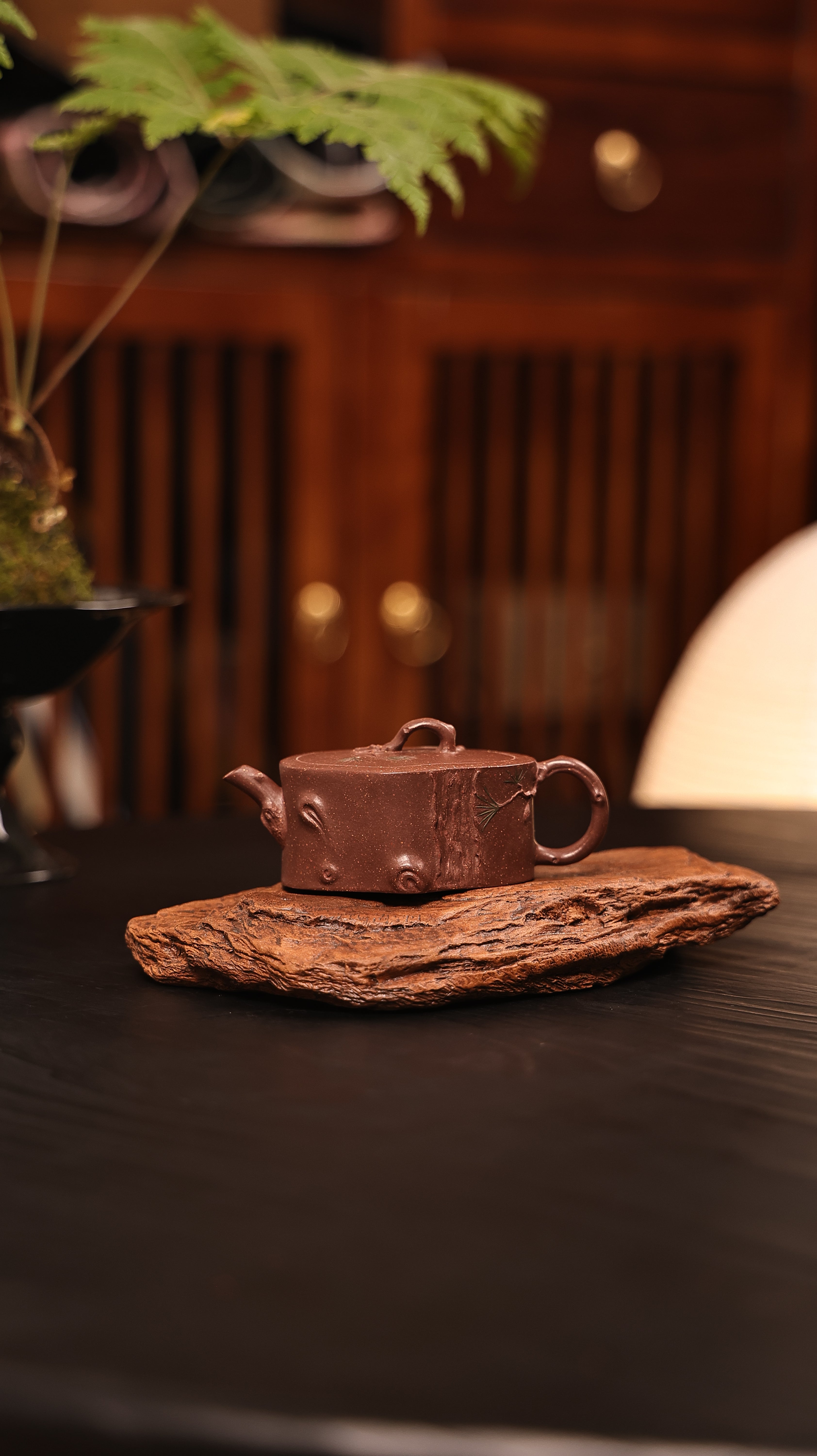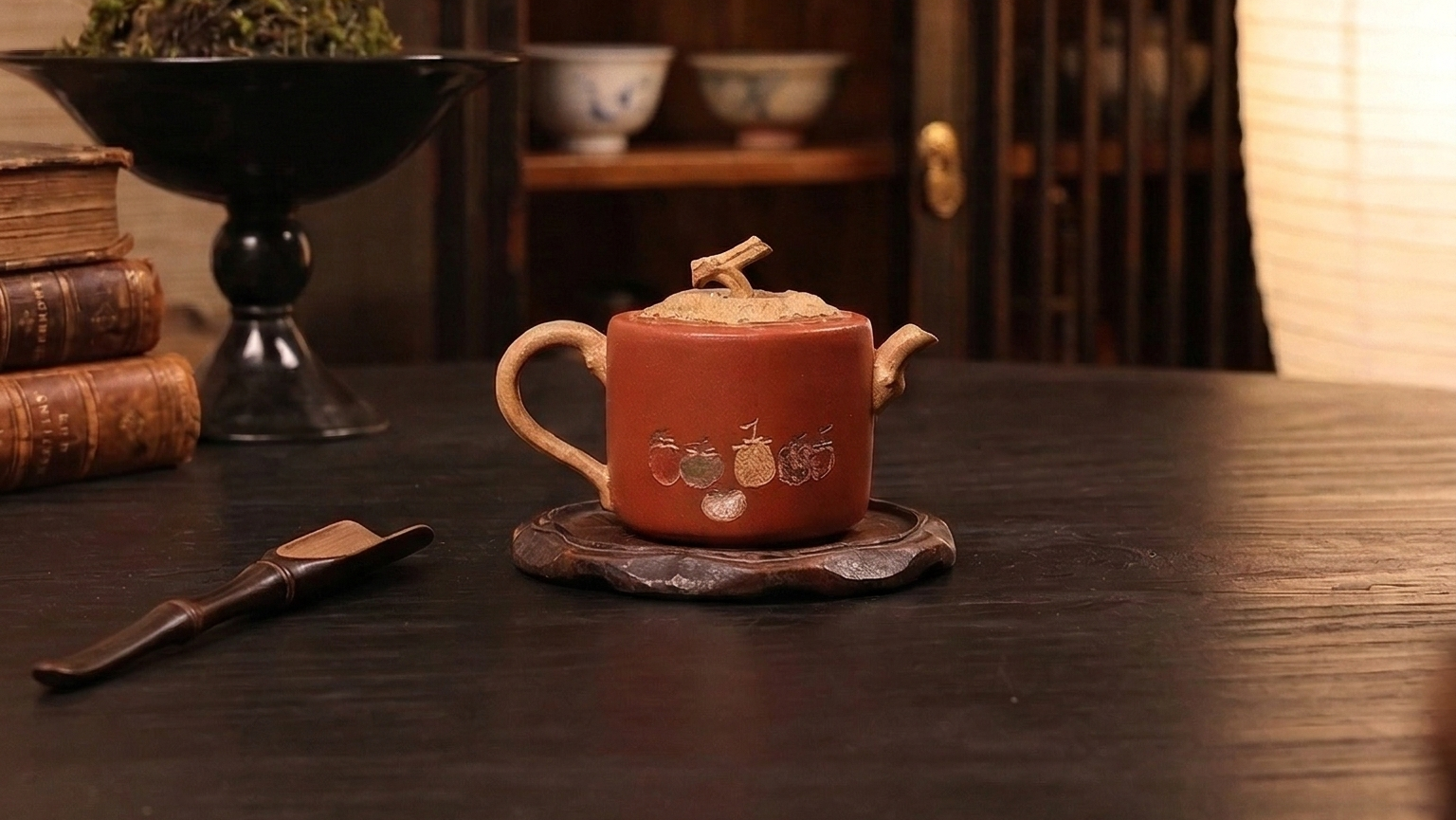
Epochs of experts have long favored the exclusive allure of Yixing Zisha containers. Coming in the modest town of Yixing, the land, these jars are constructed from a infrequent and quarried purple clay famous for its unmatched thermal aspects and capacity to enhance the richness of extracts. Besides their utilitarian benefit, Zisha teapots embody a rich cultural pedigree, resulting them greatly collectible and a true masterwork for any enthusiastic teapot aficionado.
Investigating Yixing Clay Pots
Famous teapots illustrate a unusual blend of history and seasoned craftsmanship. Existing in Yixing, Jiangsu District of China, their narrative traces to the Ming Dynasty, although manifestations suggest earlier expressions. The special burgundy clay, called Zisha, found particularly in the Yixing region, is the essential component, contributing to the pots' superior heat conservation and the manner they affect the quality of tea. Generations of potters have polished techniques—often conveyed through families—including crafting the clay, applying elaborate embellishments, and firing the pots at exact temperatures.- Earlier, Yixing teapots were often enhanced with simple designs.
- Subsequently, more refined carvings and representative motifs became popular.
- The oven firing itself is a essential element, requiring decades of proficiency.
Amassing Zisha Teapots: Essential Criteria
Beginning a campaign to acquire Zisha containers can be fulfilling, but it’s necessary to understand what to identify. Authenticity is principal; focus on the substance’s natural hue, a earthy reddish-brown is regular. Examine the surface; genuine Zisha has a particular tactile sensation, often described as slightly coarse. The morphology should be aesthetically sound and consistent with antique styles, while labels, if present, require close examination for reliability. Don’t shy away to consult with knowledgeable enthusiasts or respected sources – their expertise is irreplaceable.
Oriental Teapots: Examining the Culture of famous Zisha
Years have seen Yixing Yixing Clay teapots sustain a exceptional role in Chinese culture. These carefully constructed pots, sourced specifically from the region of Yixing, are famous for their peculiar pigmentation, texture, and their ability to Zisha Teapot amplify the scent of brews. Scores of collectors pursue antique Yixing teapots, treasuring them greatly not only for their aesthetic grace, but also for the story they signify.
Yixing Zisha Teapots: Distinguished Top Classes and Their Details
Yixing Pottery teapots, native to the Yixing locale of Yixing, the realm, are acclaimed for their distinctive clay and superb brewing powers. In the different Zisha types, certain kinds that are highly sought-after include Huiwan. Binzhou, known for its vivid purple shade and sleek texture, delivers a light flavor. This Duan Ni variety, recognizable by its brownish color and mildly grainy feel, is viewed to enhance a weight. Lastly, Zhuni sort boasts an peculiar red tone and can lend a delightful nuance. Each form delivers a special experience, allowing them remarkably desirable with infusion enthusiasts.
Excelling at One’s Earthenware Pot
To experience the magic of your Yixing kettle, understanding the correct method is fundamental. These clay earthenware, celebrated for their passability, will incrementally develop the flavor of the tea you create within them. Begin by purifying the container thoroughly with boiling water. Then, use only premium raw leaf tea, as lower quality options can degrade the teapot’s delicate taste. Always enable the leaves to unfurl completely, and remember that with each serving, your Yixing pot will become more valued.
Safeguarding Your Exceptional Zisha Piece
Proper management for your Zisha container is essential to safeguarding its character and esteem. Zisha clay, known for its unique tinge and composition, requires mindful handling. Never use harsh solutions, as these can damage the veneer. After every use, rinse the container with warm water and allow it to evaporate completely.
- Resist soaking the pot for extended lengths.
- Regularly use a soft polishing cloth to clean the exterior.
- Reflect on applying a thin layer of food-grade mineral oil inside the pot after drying, which can limit staining.
Fundamentals of Yixing Pitchers
Yixing clay pots, originating from the Yixing district in Jiangsu Province, China, are celebrated for their distinctive features. Constructed from the unique purple clay known as Zisha, these containers are prized by brew enthusiasts worldwide. This digest will briefly explain the core elements – covering sorts of Zisha matrix, common shapes, and crucial care notes. Understanding the genesis of Yixing teapots can deepen your appreciation for this valued example of Sinic tradition.
Craft of Zhongguo Earthenware: Examining Zisha deriving from Yixing City
Zisha ware from the Yixing district represents the apex of Eastern pitcher design, demonstrating a unique combination of organic beauty and operational artistry. These outstanding pieces are noted for their profound complexions, often stretching over strong purples and copper hues to delicate greys and subtle beiges. The defining mineral composition of the typical Zisha clay imparts a noteworthy texture and renders a gratifying aroma that amplifies the full concoction experience, enabling them significantly cherished collectibles and indispensable components of any serious ritual.