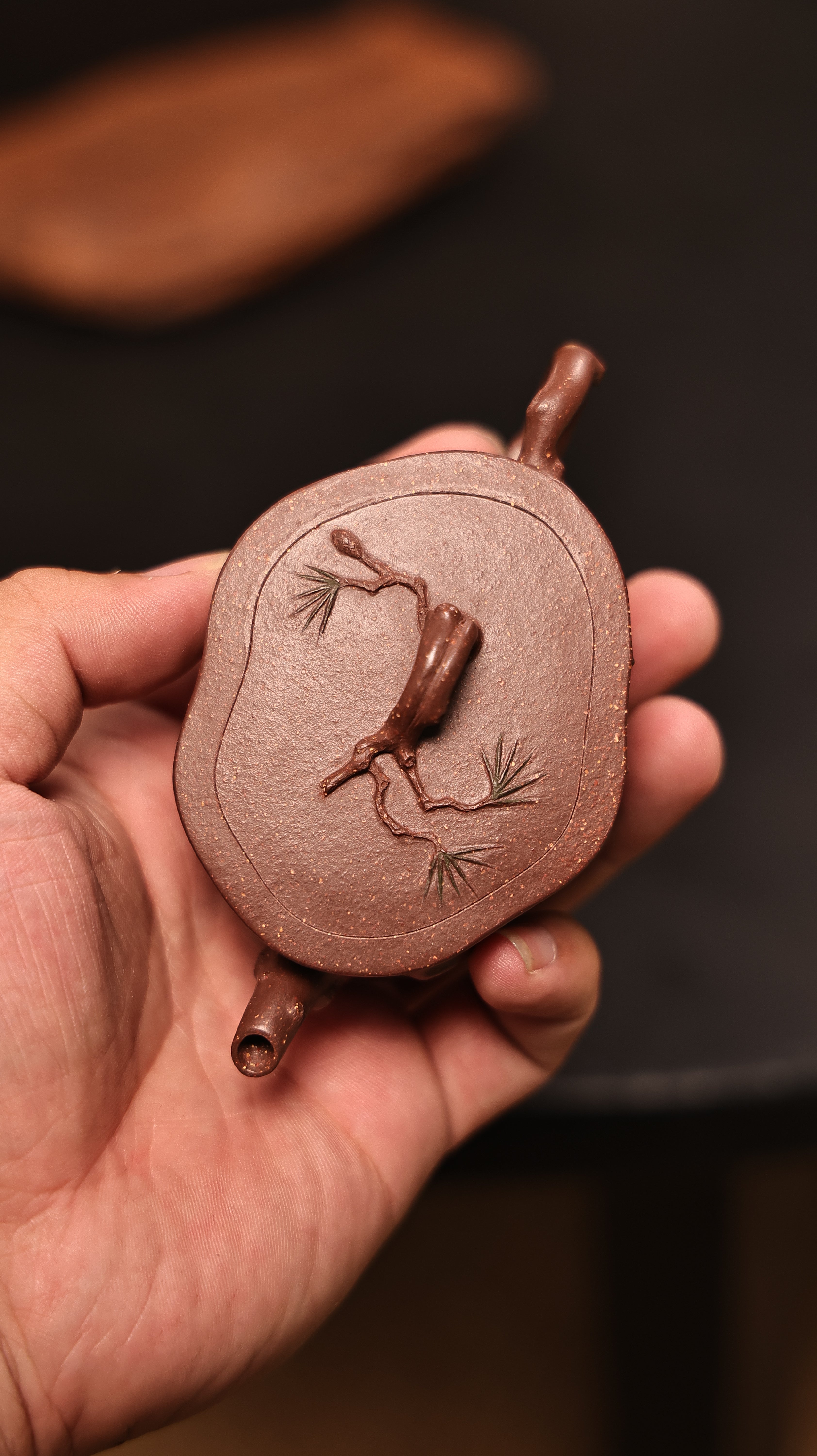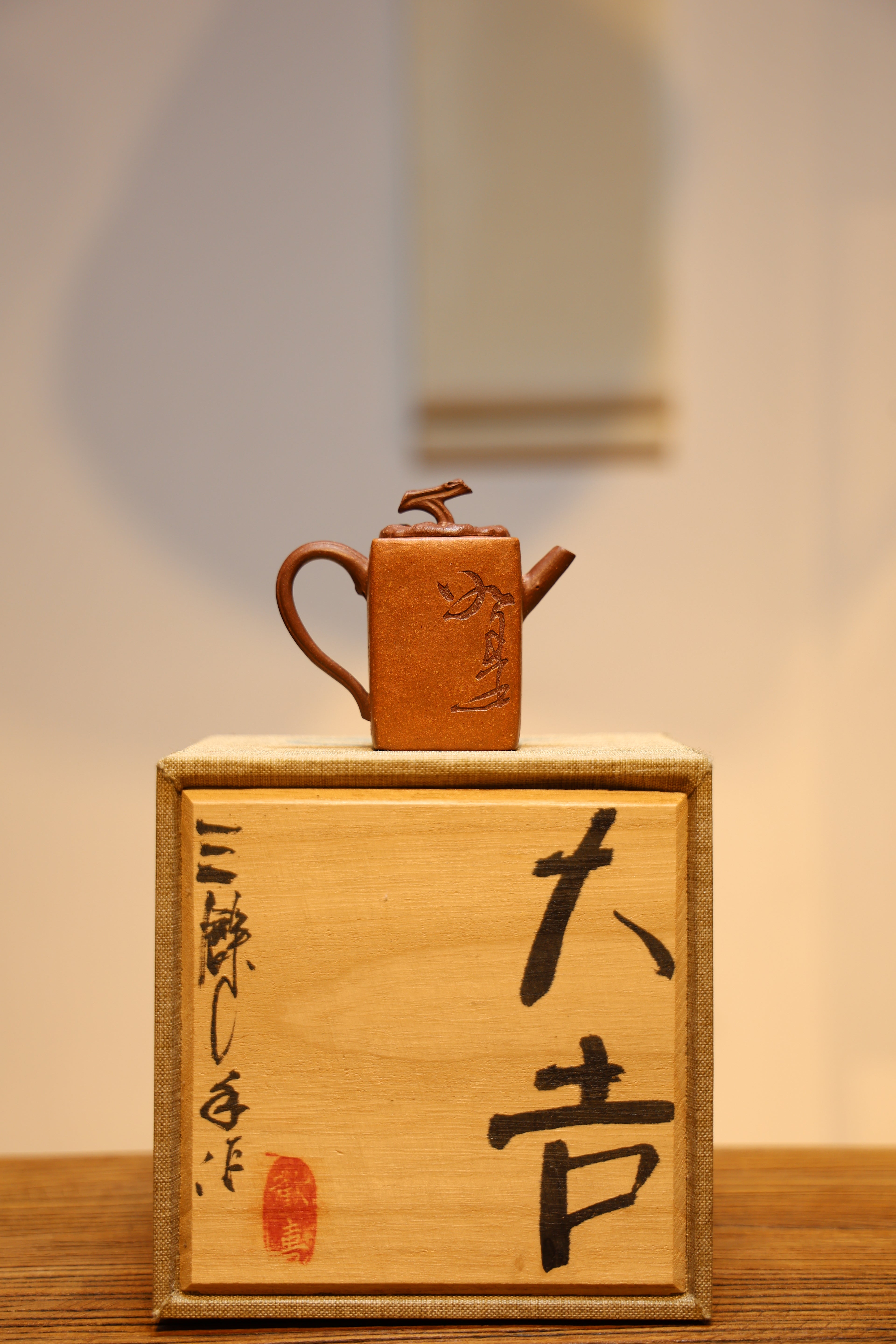
Perpetual legacy distinguishes Yixing earthenware via timespans,
Expressing exclusive attributes extracted from native aubergine minerals, such flasks acquire a glow after consumption, heightening zest extracted from brewed infusions.
Understanding Yixing Earth: Comprehensive Insights into Zisha
Multiple devotees value the incomparable consistency of Yixing plum clay, a base of ancient Chinese ceramics. Emerging from the Yixing region of Jiangsu province, this exceptional clay boasts an intricate mineral composition, in order that furnishes amazing qualities to the crafted wares. Categories within Zisha, including Duan Mud, Duan Ni Mud, and Jiang Xi Mud, each features different shades, textures, and curation traits, shaping the openness and the concluding bouquet enhancement of the brew.
Chinese Carafe Usages: Uncovering Mastery
Mandarin teapots embody over mere urns for liquid; they embody centuries of cultural technique. From the celebrated Yixing clay variations, respected for their absorbent nature which infuses individual accents to the liquid, to the fine porcelain from Jingdezhen, each piece unfolds a account of passion. The forming process is an detailed endeavor, often gifted through dynasties of craftsmen. These makers use classic techniques such as hand-building, sculpting on wheels, and adorned, demonstrating profound reverence for the foundation and the trade itself. Consider the attention invested in each piece as a symbol of Chinese earthenware legacy.
- Fine crocks: a timeless alternative.
- Elite ceramic teapots: known for their beautiful design.
- Forming techniques: a demanding yet beneficial procedure.
Purple Clay Pitcher Preservation: Conserving Your Prized Possession
Fitting care of your esteemed Yixing Zisha pot is fundamental to extending its aesthetic. Crafted from celebrated purple sand mineral, these superior teapots mature a lovely patina after utilization, substantially boosting their allure. Withhold detergents; a delicate rinse with pleasantly warm liquid is effective. Steer clear of very warm water for scrubbing the teapot, as it may shatter its clay. Allow it to evaporate moisture away from excessive solar rays. Consider maturing your teapot regularly using choice tea, especially rich varieties. Here is a brief checklist:
- Swill with softly heated liquid.
- Eschew cleansers.
- Give it to dry naturally.
- Condition with choice tea.
Background of Yixing Teapots: Initial Phases
The record of Yixing teapots begins simply during the Song dynasty, close to the 16th age. Initially, these items were not the respected items they are recognized as today. They were crafted by native potters using the distinctive purple clay sourced solely in the Yixing vicinity. These early items were chiefly utilitarian, aimed for commonplace operation and often unadorned in configuration. It was not until the successive dynasty that they launched to earn honor beyond mere utilitarian objects.
Deciding On the Appropriate Chinese Container: A Novice's Handbook
Embarking the realm of Yixing teapots can be intimidating, but do not fretting! For rookies, the vital factor is understanding the dirt. Original Yixing clay is prized for its ventilation, allowing the teapot to retain the tea's taste over time, improving every creating session. Imagine the outline; traditional bulbous shapes prevail, yet personal preferences matter. Lastly, check the polish—while some favor an natural appearance, others enjoy a subtle gloss. Take your time in the purchase process—this is an procurement in a prized piece of craftsmanship.
Zisha Pitchers and Their Role on Chinese Drink Culture
Zisha urns, derived from Yixing, China, have profoundly influenced long-standing Chinese liquid culture. These Yixing clay teapots, prized for their recognizable pigment, grain, and exceptional ability to impart a subtle accent to the brew, are more than mere utensils; they are respected masterpieces and symbols of eminence. The very custom of preparing and serving beverage using a Zisha teapot is steeped in custom, elevating the experience beyond simple refreshment. Epochs of artisans have enhanced their techniques, passed down through clans, resulting in highly valued pieces. For this reason, Zisha teapots are frequently treasured, playing a crucial part in cultivating Sino appreciation for aesthetics and the process of tea ceremonies.
- Signature Clay Composition
- Conveying Subtle Flavor
- Exquisite Craftsmanship
Identifying Original Valuable Regional Pottery
Procuring a authentic Yixing teapot can be a enjoyable experience, but the realm is often overrun with imitations. Identifying between a true antique and a new reproduction requires exacting inspection. Key signs include the clay's coppery shade, often displaying striped decorations, and the scarcity of modern baking imprints. The outlines should seem natural sophistication, reflecting the traditional Yixing approach. Finally, studying the artist's signature is crucial to verify accuracy against documented examples.
- Assess the clay's makeup.
- Look for flaws, indicative of artisan quality.
- Request an consultant for confirmation.
Obtaining Traditional Clay Pots: A Complete Overview to Zisha Understanding
The field of Purple Zisha pieces offers a distinct possibility for educated enthusiastic followers. More and more, the price of these custom artifacts is contingent by different attributes, such as the quality of 紫砂, the mastery of the craftsman, Yixing Zisha Teapot the heritage relevance, and, naturally, the modern popularity. Rookies should concentrate on understanding the various species of Zisha clay—such as Ice River, Tranquil Vessel, and Crimson Soil—and studying the properties linked to each. Exact analysis of the earthenware's contour, tone, and signature is equally vital to make astute selections when investing.