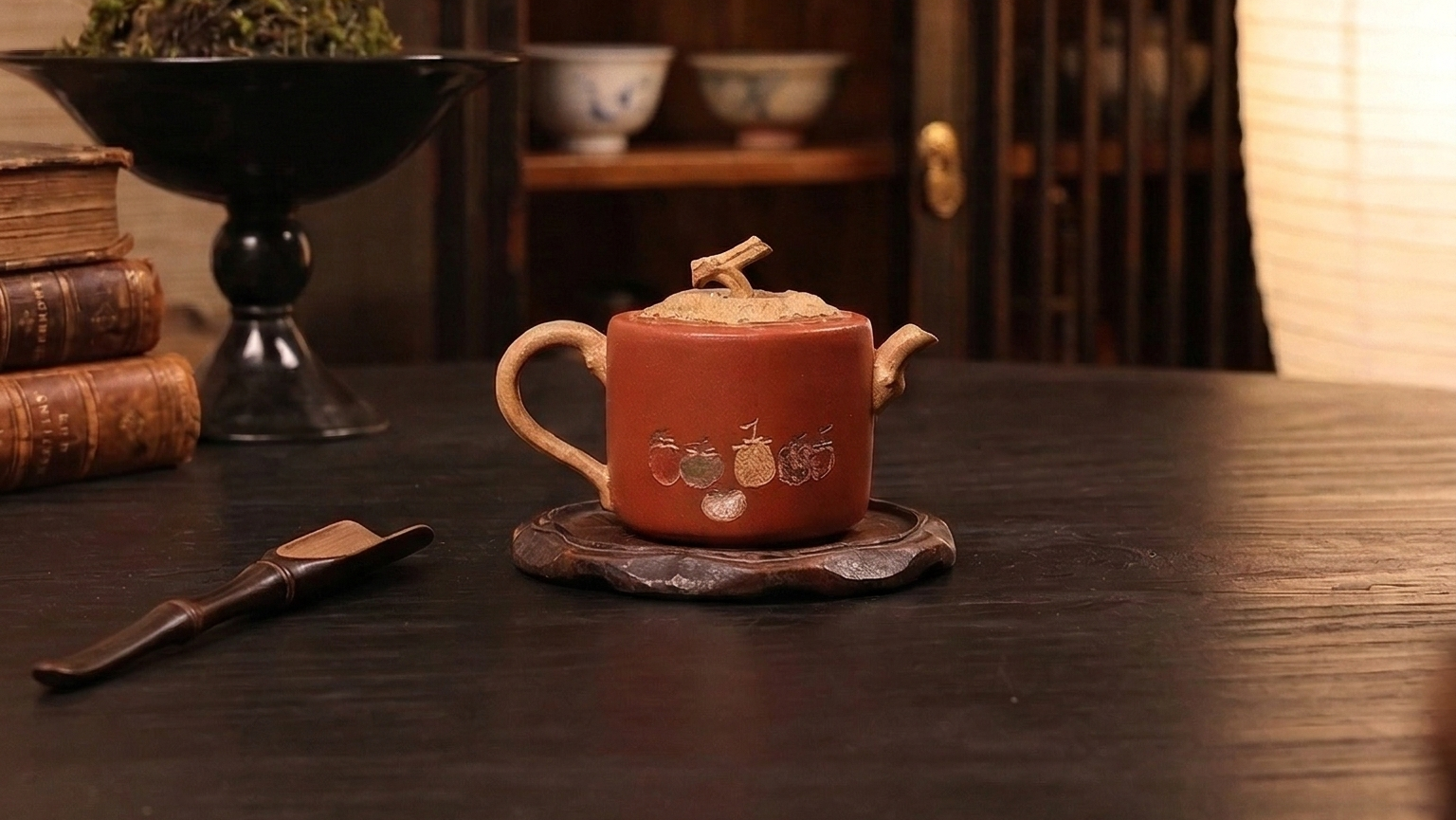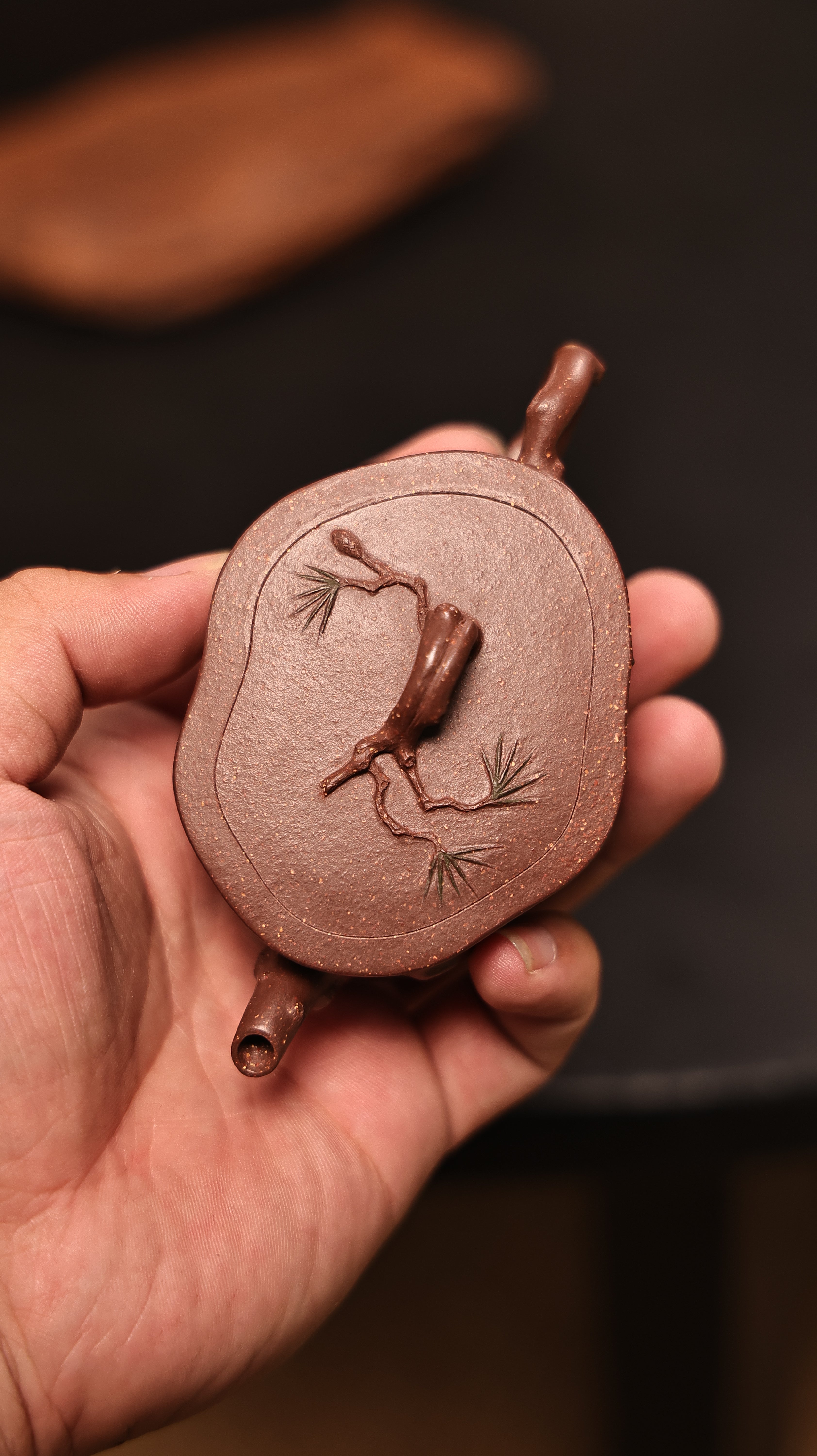
Across the expanse of historic epochs,
Following generations, collectors have been enchanted by the rare charm of Yixing Zisha carafes. Originating from the region of Yixing in the mainland, these pots are renowned for their remarkable beauty, limited clay, and innate ability to boost the palate of the concoction. The substratum's distinctive mulberry hue, combined with the skillful workmanship of Yixing's artisans, creates artifacts that are as functional artwork and precious assets. Collecting a Zisha teapot is more than just an purchase; it's immersing oneself in a rich traditional heritage.
Comprehending Yixing Teapots: Background, Types, and Value
This Yixing teapots are a rich background deeply intertwined with Chinese culture. Developing in the Yixing region of Jiangsu province, these clay vessels exhibit a heritage connecting back to the Ming Dynasty. Preliminary examples were functional, but amidst centuries, Yixing teapot manufacturing evolved into an esteemed art form. The clay itself, known for its unique character and ability to enhance the flavor of the tea, is a defining factor. Yixing teapots materialize in various models, broadly categorized by shape: Standard such as Zhuni (purple clay) and Bisheng, as well as advanced designs. The worth of a Yixing teapot is on several factors, including the potter’s distinction, the age of the piece, the rarity of the clay, and its aesthetic beauty.- Heritage: Early periods
- Clay: Several sorts
- Estimation Aspects: Craftsman's renown
Zisha Pot Expertise: Craft and Artisans
This development of a legitimate Zisha teapot is a complicated process, requiring multiple cycles of knowledge. Veteran artisans meticulously extract the purest Zisha clay, a singular earth found only in specific regions of China. Conventional techniques, often inherited through families, involve exact shaping, refined carving, and patient firing in ancient stoves. The completed teapot isn't merely a utensil; it's a testament to imaginative vision and the deep connection between the creator and their legacy. Each creation showcases the personal touch of the fabricator, resulting in a truly exceptional work of making.
A Craftsmanship: Uncovering the Profound Customs of Yixing
Famous Yixing, located in Jiangsu Yixing Zisha Teapot the district, is commonly renowned for its exceptional earthenware – a tangible representation of centuries of Chinese artisanry. These aren't merely vessels for steeping tea; they are intricate works of expertise, often reflecting philosophical ideals. This unique purple clay, known as Zisha, possesses singular qualities: this material dense, ventilated, and imparts a subtle flavor to the tea.
- Countless bloodlines have honed the techniques of Yixing pot making, passing down preserved methods through times.
- Enthusiasts prize these pieces for their appearance and exceptionality.
- Each vessel tells a account, connecting the partaker to a rich legacy.
Exploring Yixing Zisha: Key Considerations
During analyzing procuring Yixing Zisha teapots, various considerations expect careful review. Firstly, the material's shade is noteworthy; authentic Zisha conventionally exhibits a definite brick shading. Moreover, assess the workmanship; sharp characteristics and a silky layer show adept construction. Concluding, consider the artist’s history; celebrated names fetch greater values and often provide a better appreciation.
Zisha Teapot Tea Brewing Mastery
Producing appetizing tea with a Zisha pitcher is more surpassing a simple practice; it's an science. Zisha clay, famous for its unique elemental composition, imparts a nuanced character to the brewed tea that’s often lacking with other devices. The appropriate water intensity is necessary; typically, softer than what's used for black tea, to retain the tea's fragrance and zest. Consider conscientiously the tea kind; delicate green teas or aged pu-erhs gain from the Zisha’s ability to smooth their natural edge. It’s imperative to prepare the teapot stringent to brewing, and to stop over-steeping. Mastering this technique leads to a rightfully exceptional tea event.
- Knowing Zisha Clay
- Liquid Heat & Tea Type
- Essence of Tempering
Sustaining Your Yixing Ceramic Pot
With the aim of guarantee the life of your precious Yixing ceramic pot, steady maintenance is fundamentally important. Never using abrasives; instead, softly bathe it with tepid liquid. Escape significant swings; please don't situate the kettle directly onto a hot base. Periodically, condition the jar by steeping it with first-rate dark drink, as this contributes to boost its flavor and conserves the inherent merits of the material.
Relating to Earthenware to Drinkware: The Journey of a Renowned Ceramic
This creation of a Zisha teapot is a extraordinary method, a evidence to both the earth's bounty and the craft of the handworker. It commences with the thorough extraction of the unique clay from the magenta Zisha mines by Yixing. This unfired material, known for its remarkable essences, is then slowly filtered and arranged for the first forming. The jar’s profile is expertly constructed using a amalgamation of longstanding wheel throwing processes, often incorporating decorative designs. Following curing, the jar undergoes a fundamental first firing, subsequent by a surface treatment stage, which might involve numerous layers of genuine Zisha paints. Finally, a second, and sometimes third, firing at maximum temperatures completes the work, revealing its conclusive beauty and superlative characteristics - a veritable masterpiece, primed to grace a tea ritual.
{Yixing Teapots: A Token of the Custom and Tribute
Legendary Yixing teapots, originating from the noted Yixing region of Jiangsu province, are far more than mere vessels for brewing tea; they represent a deep aspect of Chinese society. Created from distinctive purple clay – zisha – these unique teapots are highly esteemed for their ability to improve the flavor of the tea and, crucially, for their grace. The chronicle of Yixing teapot making spans centuries, and the technique involved is entrusted through generations, making each teapot a decorative item that embodies lasting techniques and a profound appreciation for the pure pleasures in life.