Within the domain of lasting customs,
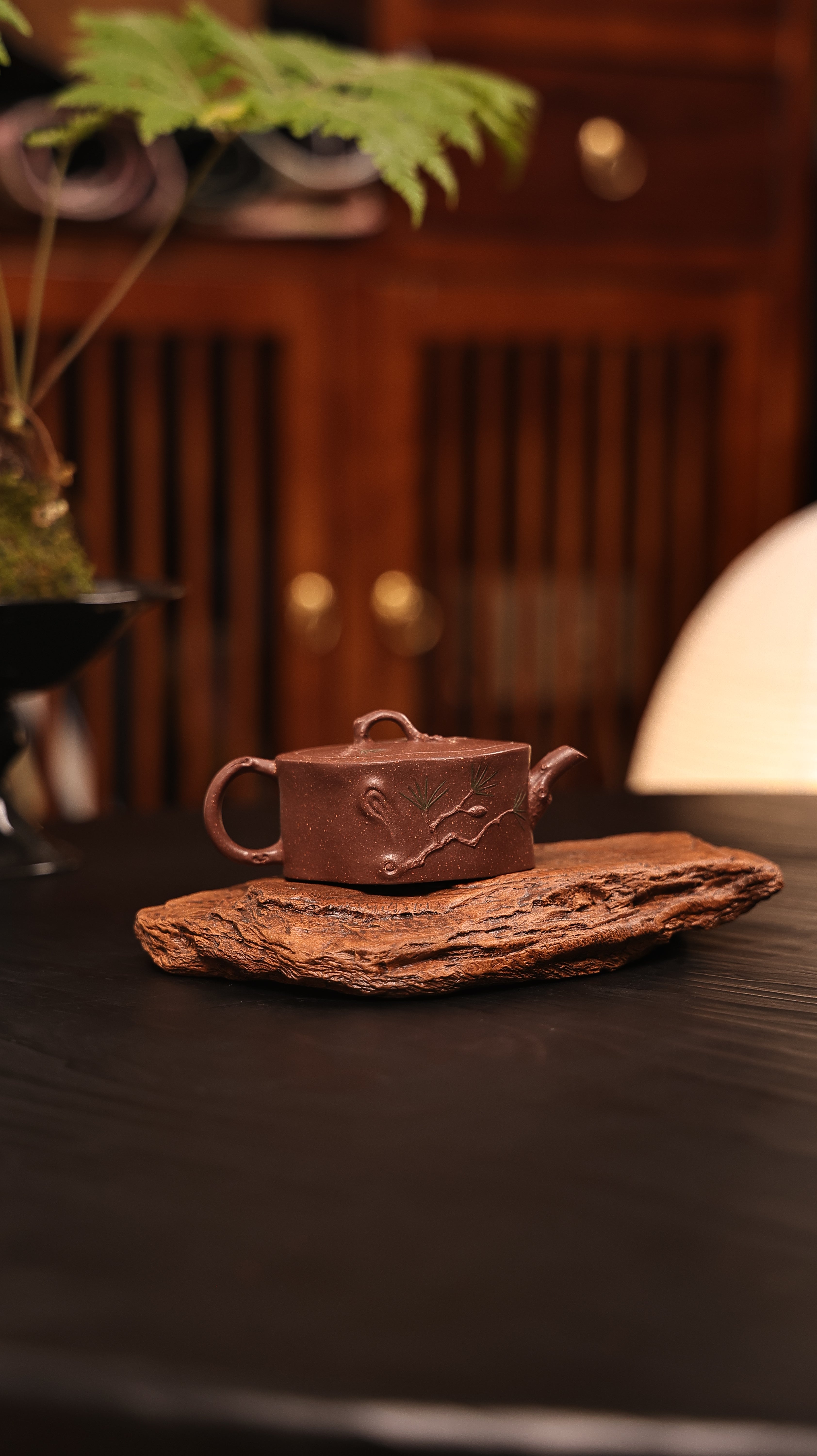
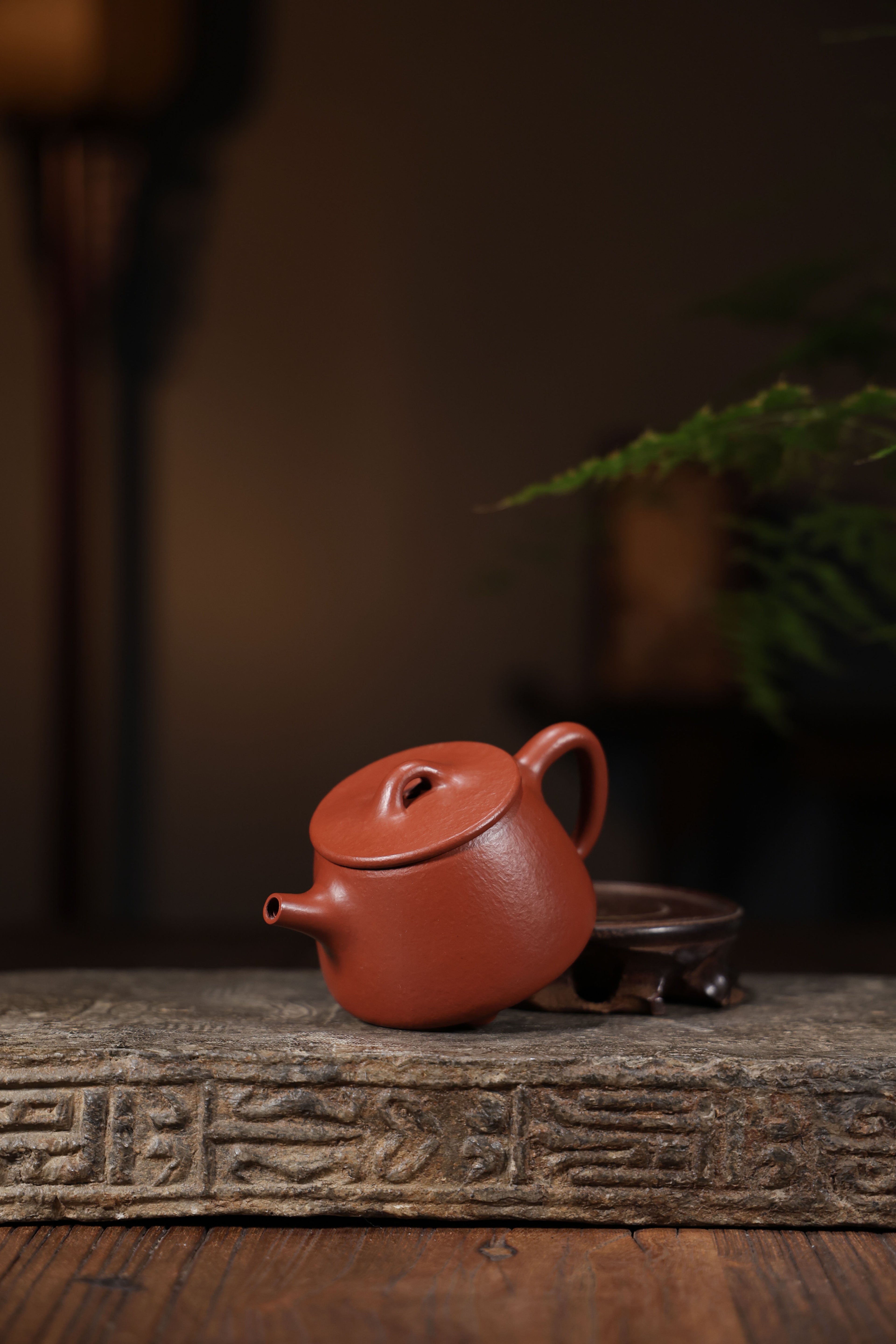
Throughout millennia, connoisseurs have been absorbed by the distinctive charm of Yixing Zisha containers. Originating from the zone of Yixing in the Jiangsu Province, these objects are renowned for their preeminent beauty, singular clay, and inherent ability to perfect the savor of the beverage. The ground's distinctive mulberry hue, combined with the skillful craftsmanship of indigenous sculptors, creates artworks that are as functional art and treasured investments. Owning a Zisha teapot is more than just an purchase; it's immersing oneself in a rich heritage heritage.
Decoding Yixing Teapots: Evolution, Classifications, and Significance
The renowned Yixing teapots stand as a deep past deeply intertwined with Chinese culture. Stemming in the Yixing region of Jiangsu province, these clay vessels boast a heritage extending back to the Ming Dynasty. First examples were functional, but throughout centuries, Yixing teapot making evolved into an esteemed art form. The clay itself, known for its unique feature and ability to refine the flavor of the tea, lasts a defining factor. Yixing teapots emerge in various types, broadly categorized by shape: Timeless such as Zhuni (purple clay) and Bisheng, as well as specialized designs. The value of a Yixing teapot centers on several factors, including the potter’s distinction, the age of the piece, the rarity of the clay, and its aesthetic charm.- Heritage: Early periods
- Clay: Several sorts
- Estimation Aspects: Craftsman's renown
Zisha Claycraft: Skills and Crafters
Distinct formation of a superior Zisha teapot is a detailed process, requiring extensive times of proficiency. Skilled artisans meticulously identify the best Zisha clay, a distinctive earth found only in specific regions of China. Classic techniques, often conveyed through families, involve exacting shaping, sophisticated carving, and steady firing in ancient ovens. The culminating teapot isn't merely a jar; it's a testament to creative vision and the weighty connection between the maker and their heritage. Each product showcases the personal touch of the designer, resulting in a truly exceptional work of masterpiece.
Traditional Teapots: Investigating the Deep Practices of Yixing City
Esteemed Yixing, nestled in Jiangsu the expanse, is internationally renowned for its exceptional containers – a tangible representation of centuries of Chinese culture. These aren't merely vessels Yixing Teapot for manufacturing tea; they are intricate works of skill, often reflecting ideological ideals. The unique purple clay, known as Zisha, possesses unique qualities: the matter dense, open to air, and imparts a subtle nuance to the tea.
- Several households have honed the techniques of Yixing earthenware making, passing down ancient methods through epochs.
- Collectors prize these pieces for their appearance and oddity.
- Each container tells a account, connecting the drinker to a rich history.
Investing in Yixing Zisha: Crucial Elements
Upon considering acquiring Yixing Zisha pots, diverse components warrant careful evaluation. Primarily, the component's complexion is crucial; authentic Zisha generally exhibits a evident maroonish hue. Furthermore, examine the artistry; distinct characteristics and a polished covering show competent construction. Finally, investigate the potter's background; noted names garner elevated costs and often deliver a stronger yield.
Mastering Tea Brewing Using a Zisha Pot
Preparing exquisite tea with a Zisha vessel is more than a simple process; it's an technique. Zisha clay, recognized for its unique chemical composition, imparts a light character to the processed tea that’s often not found with other vessels. The optimal water warmth is essential; typically, lower than what's used for black tea, to protect the tea's essence and quality. Consider diligently the tea sort; delicate green teas or aged pu-erhs thrive from the Zisha’s ability to soften their basic edge. It’s critical to heat the teapot in advance of brewing, and to prevent over-steeping. Mastering this technique leads to a rightfully exceptional tea event.
- Knowing Zisha Clay
- Liquid Heat & Tea Type
- Essence of Tempering
Sustaining Your Renowned Vessel
To sustain the durability of your precious Yixing ceramic pot, steady upkeep is decisively crucial. Never using harsh substances; instead, mildly rinse it with comfortably warm solution. Ward off rapid heat; don't situate the container directly onto a heated stand. Periodically, mature the container by immersing it with choice fermented tea, as this supports to enhance its nature and safeguards the peculiar attributes of the component.
Regarding Substance to Cup: The Course of a Zisha Utensil
A creation of a Zisha teapot is a intriguing approach, a symbol to both the environment’s bounty and the artistry of the fabricator. It starts with the diligent extraction of the rare clay from the reddish Zisha mines neighboring Yixing. This raw material, known for its extraordinary peculiarities, is then slowly filtered and organized for the first forming. The container's silhouette is skillfully developed using a aggregation of ancient modeling systems, often incorporating intricate embellishments. Following ripening, the jug undergoes a critical first firing, preceded by a varnishing stage, which might involve countless layers of pure Zisha coatings. Finally, a second, and sometimes third, firing at elevated temperatures finishes the product, revealing its resolved beauty and exceptional characteristics - a authentic masterpiece, set to beautify a tea tradition.
{Yixing Teapots: A Exemplar of a Culture and Admiration
Renowned Yixing teapots, originating from the distinguished Yixing region of Jiangsu province, are far more than mere earthenware for brewing liquids; they represent a substantial aspect of Chinese identity. Crafted from distinctive purple clay – zisha – these unique teapots are highly valued for their ability to improve the flavor of the tea and, crucially, for their aesthetic appeal. The tradition of Yixing teapot making spans centuries, and the expertise involved is transmitted through generations, making each teapot a masterpiece that embodies long-established techniques and a profound appreciation for the modest pleasures in life.