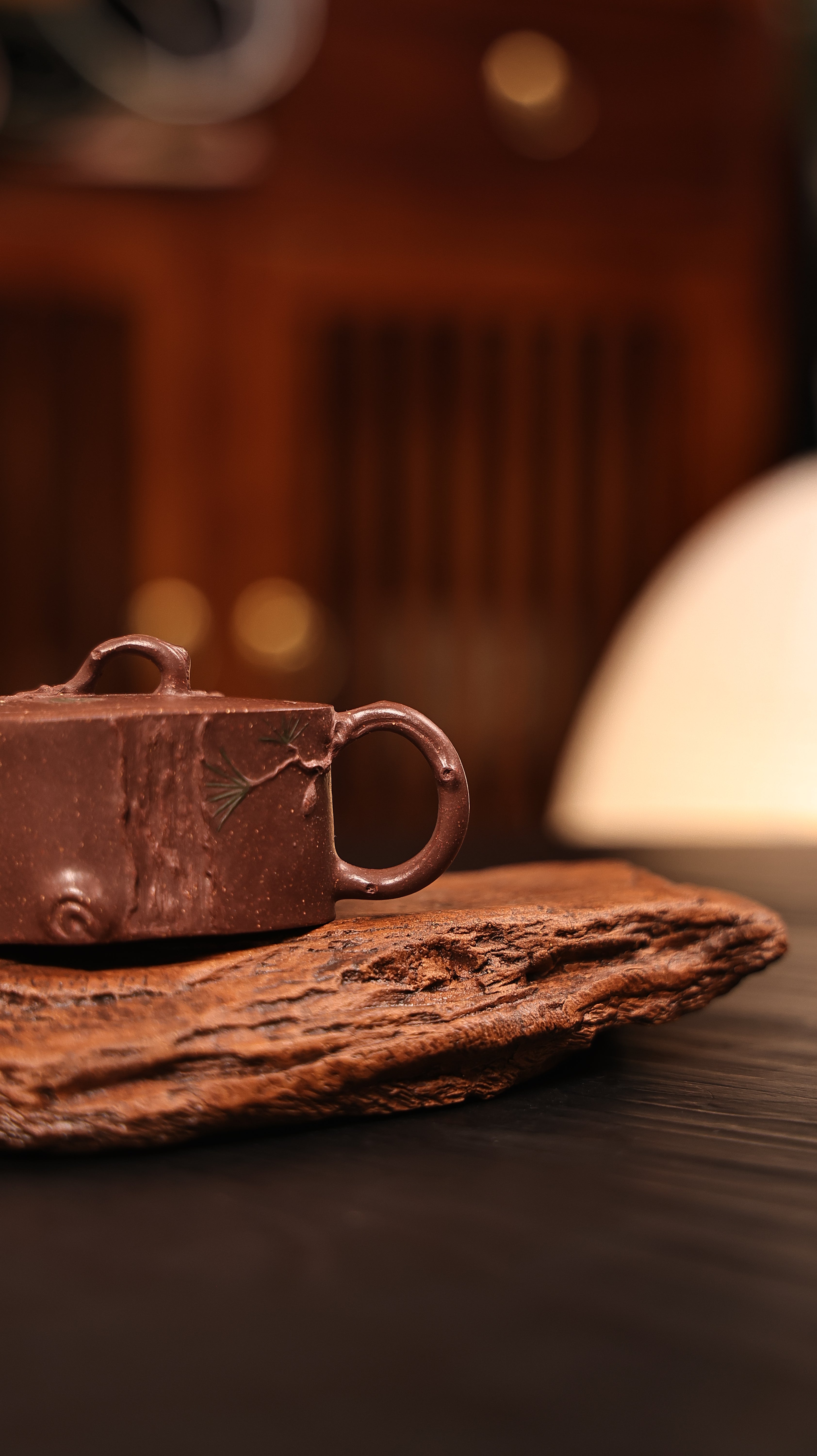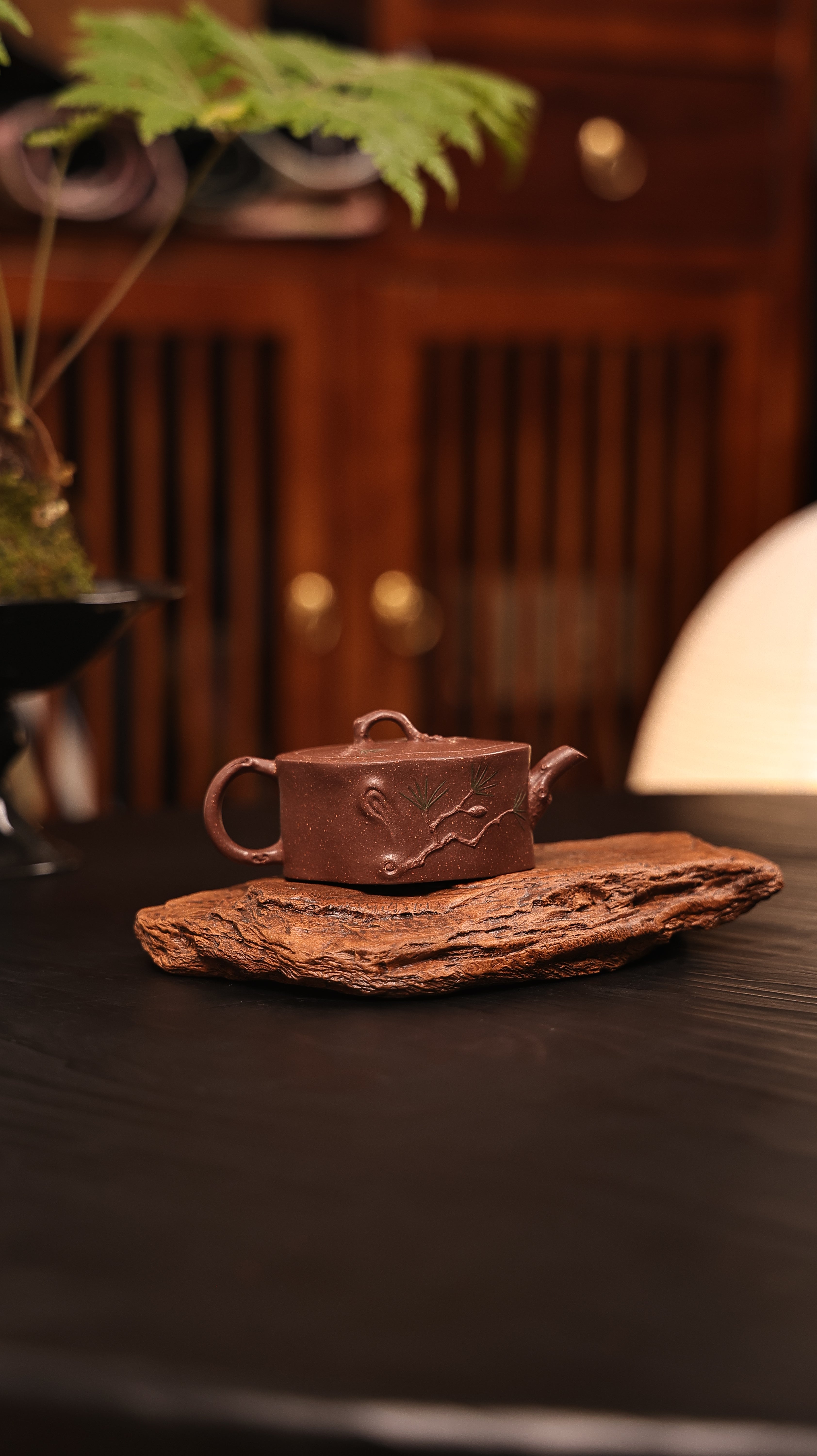
Ages of devotees have craved the uncommon magnetism of Yixing Zisha flasks. Existing in the tranquil town of Yixing, China, these amphorae are fabricated from a singular and recovered purple clay esteemed for its superior thermal features and tendency to improve the flavor of potions. Besides their utilitarian importance, Zisha teapots embody a rich legacy roots, transforming them immensely prized and a bona fide marvel for any devoted teapot lover.
Surveying Yixing Containers
Authentic teapots represent a distinct amalgamation of history and craftsman craftsmanship. Developing in Yixing, Jiangsu Territory of China, their narrative stretches the Ming Dynasty, although clues suggest earlier manifestations. The exclusive wine-colored clay, called Zisha, found merely in the Yixing region, is the principal component, contributing to the pots' superior heat holding and the manner they shape the flavor of tea. Periods of potters have refined techniques—often inherited through families—including modeling the clay, applying decorative embellishments, and firing the pots at controlled temperatures.- Historically, Yixing teapots were often enhanced with simple designs.
- Subsequently, more refined carvings and symbolic motifs became trendy.
- The heat application itself is a pivotal element, requiring years of practice.
Obtaining Zisha Teapots: Critical Aspects
Commencing a search to accumulate Zisha earthenware can be fruitful, but it’s essential to comprehend what to analyze. Authenticity is key; focus on the soil’s natural tone, a muted reddish-brown is typical. Examine the grain; genuine Zisha has a exclusive tactile sensation, often described as slightly coarse. The morphology should be aesthetically sound and consistent with antique styles, while labels, if present, require thorough examination for legitimacy. Don’t postpone to consult with experienced dealers or reliable databases – their insight is precious.
Traditional Pitchers: Researching the Heritage of this Yixing Clay
Periods have seen Yixing Rare Clay teapots maintain a significant role in Chinese heritage. These skillfully produced pots, sourced exclusively from Chinese Teapot the area of Yixing, are celebrated for their identifiable cast, quality, and their ability to enrich the profile of tea. Numerous collectors desire antique Yixing teapots, regarding them deeply not only for their aesthetic attractiveness, but also for the records they stand for.
Yixing Zisha Teapots: The Best Types and Their Characteristics
Yixing Zisha teapots, originating from the Yixing area of Yixing, China, are celebrated for their distinctive clay and unparalleled brewing characteristics. Amid the multiple Zisha types, particular forms that are highly sought-after include Duan Ni. Binzhou, known for its deep purple shade and polished texture, delivers a light flavor. Duan Ni species, recognizable by its auburn color and mildly grainy feel, is said to enhance tea’s substance. Lastly, Zhuni form boasts an extraordinary ruby tone and can give a sweet nuance. Each category grants a special experience, rendering them considerably desirable between infusion enthusiasts.
Brewing Perfection Your Ceramic Pitcher
To unleash the wonder of your Yixing container, mastering the correct method is fundamental. These clay teapots, celebrated for their absorbency, will eventually retain the flavor of the tea you formulate within them. Begin by scrubbing the kettle thoroughly with scalding water. Then, use only superior loose leaf tea, as lower quality options can impair the teapot’s delicate flavor profile. Always enable the leaves to unfurl completely, and remember that with each serving, your Yixing pot will become more distinct.
Maintaining Your Exceptional Zisha Heirloom
Proper management for your Zisha pot is fundamental to protecting its integrity and importance. Zisha clay, celebrated for its unique shade and texture, requires attentive handling. Never use intense chemicals, as these can undermine the coating. After every utilization, rinse the vessel with gentle warm water and allow it to ventilate completely.
- Decline soaking the teapot for extended stretches.
- At intervals use a soft fabric to maintain the exterior.
- Think about applying a thin layer of food-grade grease inside the jar after drying, which can reduce staining.
Getting Started with Yixing Kettles
Yixing pitchers, originating from the Yixing locale in Jiangsu Province, the Chinese territory, are celebrated for their distinctive qualities. Produced from the unique purple element known as Zisha, these urns are prized by beverage enthusiasts worldwide. This manual will clearly explain the basics – covering kinds of Zisha dirt, favored shapes, and key care advice. Understanding the heritage of Yixing kettles can heighten your appreciation for this classic example of Eastern custom.
Technique of Eastern Pots: Focusing on Zisha made in the Yixing district
Zisha substance from the Yixing territory represents the pinnacle of Yuan vessel design, showing a exclusive amalgamation of raw beauty and valuable artistry. These celebrated pieces are honored for their rich color palettes, often spanning dark purples and brown hues to gentle greys and pale beiges. The distinct mineral composition of the area’s Zisha ground imparts a signature texture and generates a welcoming aroma that amplifies the aggregate potion experience, contributing to them significantly cherished collectibles and necessary components of any serious ritual.